When it comes to heart health, cholesterol levels play a major role—and everyday food choices matter more than most people realize.
If you’re trying to improve your numbers, knowing which foods to skip for better cholesterol health is just as important as knowing what to eat. Certain foods regularly increase LDL (“bad”) cholesterol or promote inflammation when eaten often. That doesn’t mean you can never enjoy them—but reducing frequency and portion size can make a meaningful difference over time.
Let’s break down the most common cholesterol-unfriendly foods and what to keep in mind instead.
Why Some Foods Raise Cholesterol Levels
Cholesterol levels are influenced by:
-
Saturated fats
-
Trans fats
-
Ultra-processed ingredients
-
Excess calories over time
Foods high in these elements tend to raise LDL cholesterol and increase cardiovascular risk—especially when consumed regularly.
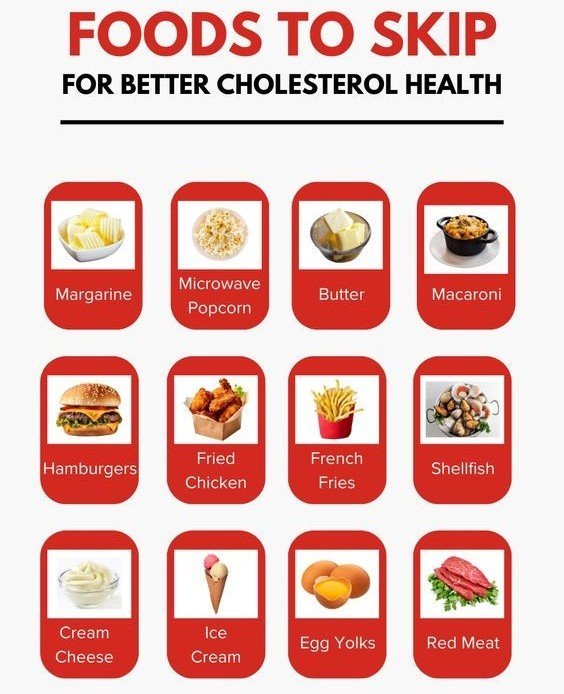
Margarine and Butter
Traditional margarine and butter are high in saturated fats, and some margarine varieties also contain trans fats.
Why they matter:
-
Saturated fat raises LDL cholesterol
-
Trans fats worsen cholesterol balance
Using moderate amounts or choosing unsaturated alternatives can help support healthier levels.
Microwave Popcorn
Many packaged microwave popcorn varieties contain unhealthy oils, additives, and excess sodium.
Concerns include:
-
Added saturated or trans fats
-
Highly processed ingredients
Air-popped popcorn with light seasoning is often a better option.
Pasta and Macaroni (Refined Versions)
Refined pasta and macaroni dishes—especially when paired with creamy sauces—can contribute to poor cholesterol balance.
Why:
-
Low fiber content
-
Often combined with high-fat dairy
Whole grains and lighter sauces provide better support for heart health.
Hamburgers and Fried Chicken
Fast food proteins are often high in saturated fat and cooked in oils that worsen cholesterol levels.
Issues include:
-
Fatty ground meats
-
Deep-frying oils
-
Added refined carbs
Eating these frequently may raise LDL cholesterol and promote inflammation.
French Fries
French fries are typically fried in oils reused multiple times, increasing harmful compounds.
Why they’re problematic:
-
High saturated fat
-
High sodium
-
Low nutritional value
Preparation method matters just as much as the food itself.
Shellfish (In Excess)
Shellfish contain dietary cholesterol, which may affect cholesterol-sensitive individuals when eaten frequently.
Moderation matters more than elimination, especially if other saturated fats are high in the diet.
Cream Cheese and Ice Cream
Full-fat dairy desserts and spreads are among the top contributors to saturated fat intake.
Common concerns:
-
High calorie density
-
High saturated fat
-
Low fiber
Reducing frequency supports better cholesterol balance.
Egg Yolks (For Some Individuals)
Egg yolks contain cholesterol, and while many people tolerate them well, those with high cholesterol may need moderation.
Individual response varies—balance is key.
Red Meat
Red meat—especially processed or fatty cuts—can raise LDL cholesterol when eaten often.
Limiting frequency and choosing leaner cuts makes a difference.
What to Eat Instead for Better Cholesterol Health
Instead of focusing purely on restriction, shifting toward supportive foods works better long term.
Helpful swaps include:
-
Lean proteins (fish, chicken, legumes)
-
High-fiber foods (vegetables, fruits, whole grains)
-
Healthy fats (olive oil, nuts, seeds)
Fiber and unsaturated fats actively support cholesterol balance.
How Small Changes Add Up
You don’t need a perfect diet overnight. Cholesterol responds well to consistency.
Start by:
-
Reducing fried foods
-
Swapping refined carbs for whole foods
-
Being mindful of portion size
Gradual changes are easier to maintain—and more effective.
Common Mistakes to Avoid
Avoid:
-
Cutting fats entirely
-
Ignoring fiber intake
-
Focusing on one “bad” food only
Cholesterol health depends on overall patterns, not isolated choices.
Final Thoughts
Knowing which foods to skip for better cholesterol health helps you make smarter, calmer decisions at mealtime. Foods high in saturated fats, refined carbs, and heavy processing tend to elevate LDL cholesterol when eaten often. By reducing these and focusing more on fiber-rich whole foods, you give your heart the support it needs—without extreme rules.
Save this guide and revisit it when planning meals. Which food on this list shows up most often in your routine right now?