Fat loss isn’t about eating less of everything—it’s about eating more of the right foods. Certain foods help control hunger, support muscle, and make it easier to maintain a calorie deficit without feeling deprived. These foods don’t burn fat directly, but they create the conditions where fat loss becomes sustainable.
The foods below are simple, widely available, and backed by basic nutrition principles like protein intake, fiber, and satiety.
Why Food Choice Matters for Fat Loss
Fat loss depends on consistency. When meals leave you hungry or low on energy, it’s harder to stick with healthy habits.
The best fat-loss-supporting foods:
-
Keep you full longer
-
Stabilize blood sugar
-
Reduce unnecessary snacking
-
Support muscle maintenance
Let’s look at foods that do exactly that.
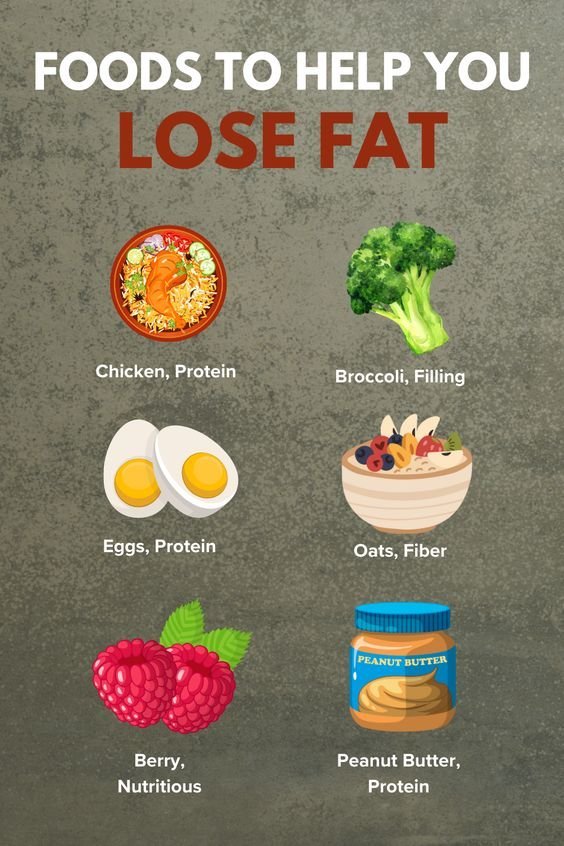
Chicken (High in Protein)
Chicken is one of the most reliable foods for fat loss.
It helps by:
-
Providing lean protein
-
Supporting muscle retention
-
Increasing satiety
Protein requires more energy to digest and helps reduce hunger between meals. Grilled, baked, or lightly cooked chicken works best.
Eggs (Protein and Nutrients)
Eggs are compact, affordable, and filling.
They support fat loss by:
-
Delivering high-quality protein
-
Helping control appetite
-
Providing essential nutrients
Eggs work especially well at breakfast to reduce cravings later in the day.
Broccoli (Filling and Low-Calorie)
Broccoli adds volume without adding many calories.
It helps because:
-
It’s high in fiber
-
Takes time to chew and digest
-
Supports digestion
High-volume vegetables like broccoli make meals feel bigger, which helps with portion control.
Oats (Fiber-Rich Energy)
Oats are a slow-digesting carbohydrate.
They support fat loss by:
-
Providing soluble fiber
-
Reducing blood sugar spikes
-
Keeping you full longer
Oats are especially helpful for breakfast or pre-workout meals when energy matters.
Berries (Nutritious and Low-Calorie)
Berries satisfy sweet cravings without excess sugar.
They help by:
-
Offering fiber and antioxidants
-
Supporting digestion
-
Adding sweetness with fewer calories
They’re easy to pair with yogurt, oats, or smoothies.
Peanut Butter (Protein and Healthy Fats)
Peanut butter is calorie-dense but useful in small amounts.
It helps fat loss when:
-
Portions are controlled
-
Used to increase satiety
-
Paired with fiber or protein
Healthy fats slow digestion, helping meals feel more satisfying.
How These Foods Work Together
These foods support fat loss because they:
-
Balance protein, fiber, and fats
-
Reduce hunger naturally
-
Make meals more satisfying
Fat loss becomes easier when you’re not constantly fighting hunger.
Common Mistake to Avoid
A common mistake is overeating “healthy” foods without portion awareness—especially calorie-dense options like peanut butter and oats.
Healthy doesn’t mean unlimited.
How to Use These Foods Daily
For best results:
-
Build meals around protein
-
Add vegetables for volume
-
Include fiber-rich carbs in moderation
-
Use fats strategically, not excessively
Consistency matters more than perfection.
What Results to Expect (Realistically)
When these foods are used regularly, many people notice:
-
Fewer cravings
-
Better appetite control
-
Improved energy
-
Gradual, steady fat loss
Fat loss happens over weeks and months—not overnight.
Final Thoughts
Foods to help you lose fat aren’t exotic or complicated. They’re familiar, filling, and easy to build meals around. Chicken, eggs, vegetables, oats, berries, and healthy fats work because they support your body—not because they promise shortcuts.
When food works with you instead of against you, fat loss becomes far more sustainable.
👉 Save this guide for your next grocery trip.