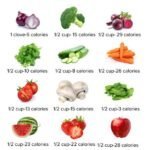
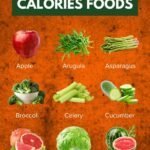
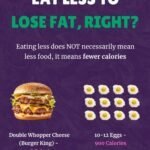
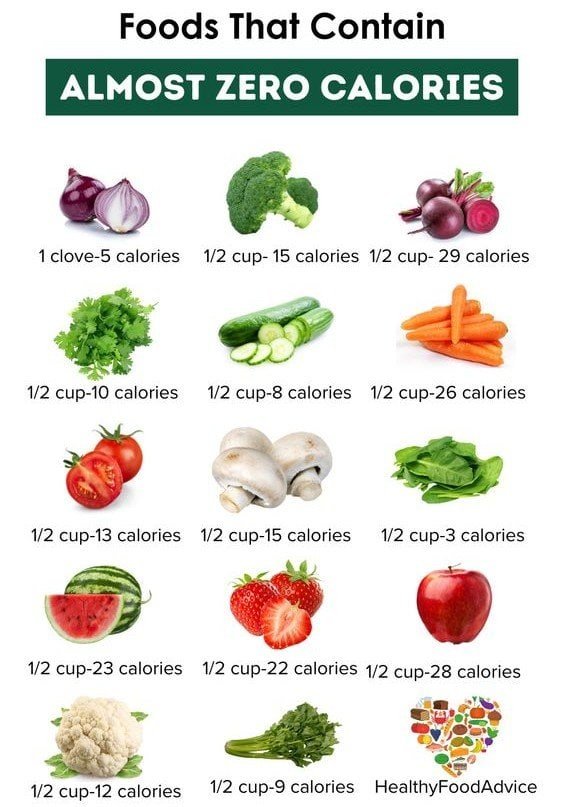
If you’re trying to manage weight or simply eat lighter without feeling deprived, foods that are very low in calories can be incredibly helpful. While no food is truly “zero calorie,” many fruits and vegetables are so low in calories that they feel almost free — especially when eaten in sensible portions.
These foods that contain almost zero calories are high in water, fiber, and nutrients, making them filling without adding much energy. Let’s explore what they are, why they work, and how to use them wisely.
Why Low-Calorie Foods Are So Effective
Low-calorie foods allow you to eat more volume with fewer calories. This helps with:
-
Feeling full without overeating
-
Reducing mindless snacking
-
Supporting calorie control without restriction
-
Adding nutrients without heavy energy intake
They work best when included as part of meals — not when used to replace all food.
Vegetables That Are Naturally Very Low in Calories
Most vegetables are low in calories, but some stand out for being especially light.
Leafy Greens (Spinach, Lettuce, Herbs)
These vegetables are mostly water and fiber.
-
Extremely low calorie
-
High in vitamins and minerals
-
Easy to add to meals in large portions
They’re ideal for salads, wraps, and smoothies.
Cucumbers
Cucumbers are one of the lowest-calorie vegetables available.
-
Very high water content
-
Refreshing and crunchy
-
Great for snacking and salads
They help with hydration and fullness without heaviness.
Mushrooms
Mushrooms are low in calories but rich in umami flavor.
-
Add bulk to meals
-
Help reduce calorie density
-
Pair well with proteins and vegetables
They’re excellent for stir-fries or as meat extenders.
Broccoli & Cauliflower
These cruciferous vegetables are filling and versatile.
-
High in fiber
-
Low in calories
-
Help with appetite control
They work well roasted, steamed, or blended into soups.
Tomatoes
Tomatoes are light but flavorful.
-
Low calorie and hydrating
-
Add natural sweetness and acidity
-
Easy to use raw or cooked
Perfect for salads, sauces, and snacks.
Carrots & Beets (Still Low, Slightly Higher)
These are slightly higher than leafy greens but still low overall.
-
Naturally sweet
-
Rich in nutrients
-
Very filling when cooked
They’re best enjoyed in moderation as part of balanced meals.
Fruits That Stay Relatively Low in Calories
Some fruits are lighter than others due to high water and fiber content.
Strawberries
Strawberries are one of the lowest-calorie fruits.
-
Naturally sweet
-
High in fiber
-
Satisfy sugar cravings
They’re ideal for desserts, yogurt, or snacks.
Watermelon
Despite its sweet taste, watermelon is mostly water.
-
Very hydrating
-
Low calorie per serving
-
Refreshing and light
Best enjoyed mindfully since it’s not very filling on its own.
Apples (Portion Matters)
Apples are higher than berries but still reasonable.
-
High fiber
-
Satisfying crunch
-
Easy grab-and-go option
Portion awareness keeps them a smart choice.
How to Use Almost Zero-Calorie Foods Correctly
These foods are tools, not magic solutions.
Use them to:
-
Bulk up meals without overeating
-
Replace refined snack foods
-
Add volume to plates when cutting calories
-
Support hydration and digestion
Avoid using them as the only foods you eat — your body still needs protein, fats, and carbohydrates.
Common Mistakes to Avoid
-
Assuming “low calorie” means unlimited
-
Skipping protein and feeling hungry later
-
Relying only on raw foods
-
Ignoring balance in meals
Low-calorie foods work best when combined with balanced nutrition.
A Simple Balanced Plate Example
A smart meal might look like:
-
Protein (eggs, chicken, beans)
-
Large portion of low-calorie vegetables
-
Small amount of healthy fats
-
Optional fruit
This keeps meals satisfying while controlling calories naturally.
Final Thoughts
Foods that contain almost zero calories are incredibly useful for managing appetite, reducing calories, and building sustainable eating habits. Leafy greens, cucumbers, tomatoes, mushrooms, broccoli, strawberries, and watermelon all allow you to eat more while consuming less energy.
The real key is balance. Use these foods to support fullness and consistency — not restriction.
Save this guide for later or share it with someone looking for simple, realistic ways to eat lighter without feeling hungry. And ask yourself: which low-calorie food do you already enjoy that you can start using more often?