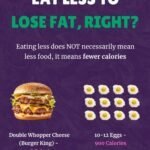
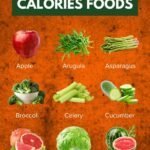
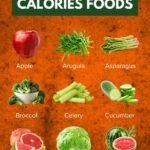
When trying to eat lighter or manage weight, hunger is often the biggest challenge—not calories themselves. That’s where foods that contain almost zero calories become incredibly helpful. These foods are low in energy but high in volume, fiber, and nutrients, which means you can eat generous portions without constantly worrying about overeating. They don’t magically burn fat—but they do help you feel full, satisfied, and more in control of your meals.
Let’s break down what these foods are, why they work, and how to use them realistically in everyday eating.
What “Almost Zero Calories” Really Means
No food is truly calorie-free, but many fruits and vegetables contain so few calories that they barely affect daily intake—especially when compared to processed snacks.
These foods are typically:
-
High in water
-
High in fiber
-
Low in fat
-
Low in sugar per serving
They support fullness while keeping meals lighter and more balanced.
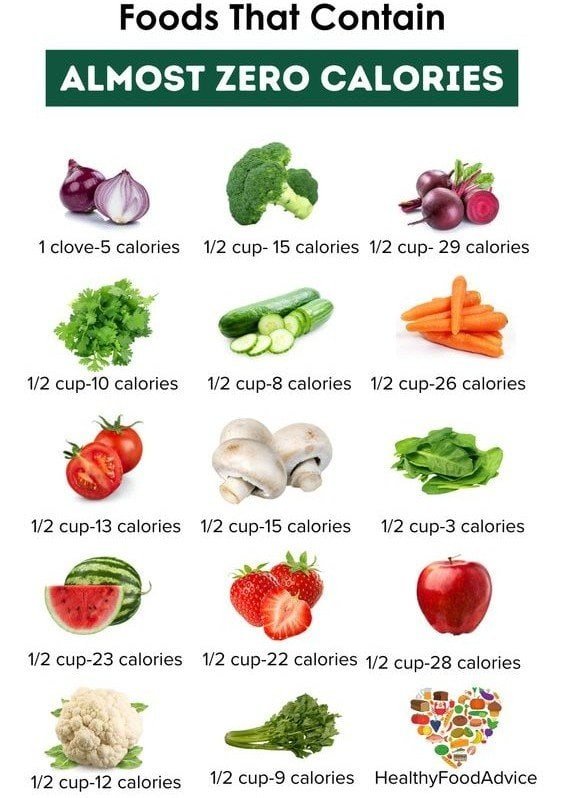
Vegetables That Are Naturally Very Low in Calories
Vegetables dominate the list of almost zero-calorie foods because of their water and fiber content.
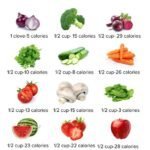
Spinach (½ cup ≈ 3 calories)
Extremely low in calories and easy to add to omelets, salads, smoothies, or soups.
Cucumber (½ cup ≈ 8 calories)
Hydrating and refreshing—great for snacking, salads, or infused water.
Broccoli (½ cup ≈ 15 calories)
Filling and fiber-rich, making it excellent for meals that feel large without being heavy.
Mushrooms (½ cup ≈ 15 calories)
Add savory flavor and volume to meals like stir-fries and pasta replacements.
Cauliflower (½ cup ≈ 12 calories)
Often used as a rice or mash alternative to cut calories while keeping portion size satisfying.
Beets (½ cup ≈ 29 calories)
Slightly higher than leafy greens but still very light, with fiber and natural sweetness.
Carrots (½ cup ≈ 26 calories)
Crunchy, satisfying, and easy to eat raw or cooked.
Low-Calorie Fruits You Can Enjoy Without Guilt
Fruits contain more natural sugar than vegetables, but some still qualify as almost zero-calorie foods when portioned reasonably.
Strawberries (½ cup ≈ 22 calories)
Sweet, fiber-rich, and great for desserts or snacks.
Watermelon (½ cup ≈ 23 calories)
High water content makes it refreshing and surprisingly filling.
Tomatoes (½ cup ≈ 13 calories)
Technically a fruit, extremely versatile, and easy to add to meals.
Apples (½ cup ≈ 28 calories)
More filling than most snacks due to fiber—even small portions go a long way.
Why These Foods Help With Weight Control
Foods that contain almost zero calories help not by burning fat, but by supporting better eating habits.
They work because they:
-
Increase meal volume without excess calories
-
Reduce hunger between meals
-
Replace high-calorie snacks
-
Support digestion through fiber
Think of them as calorie spacers—they fill the plate so higher-calorie foods don’t need to.
Smart Ways to Use Low-Calorie Foods Daily
The key is using these foods strategically—not eating them in isolation all day.
Helpful ideas:
-
Start meals with a veggie-heavy salad or soup
-
Bulk up meals by mixing veggies into rice, pasta, or proteins
-
Snack on fruits instead of processed foods
-
Add vegetables to smoothies for volume without sweetness overload
This improves satisfaction without restriction.
Common Mistakes to Avoid
While these foods are helpful, they’re not meant to replace proper nutrition.
Avoid:
-
Eating only low-calorie foods with no protein or fats
-
Using them to justify undereating
-
Ignoring meal balance
Low-calorie foods work best as supporting players, not the entire plan.
Pairing Almost Zero-Calorie Foods With Protein
For the best results, pair these foods with protein to stay full longer.
Examples:
-
Spinach + eggs
-
Broccoli + chicken
-
Mushrooms + tofu
-
Strawberries + yogurt
This combination keeps blood sugar stable and reduces cravings.
Final Thoughts
Foods that contain almost zero calories are a powerful tool for building satisfying meals without excess energy intake. Vegetables like cucumber, spinach, broccoli, and mushrooms—along with fruits like strawberries and watermelon—help control hunger, add volume to meals, and support consistency. When paired with protein and healthy fats, they make eating well feel easier, not restrictive.
Save this list for later and try adding just one or two of these foods to your next meal. Which one do you already eat—and which one will you try more often?