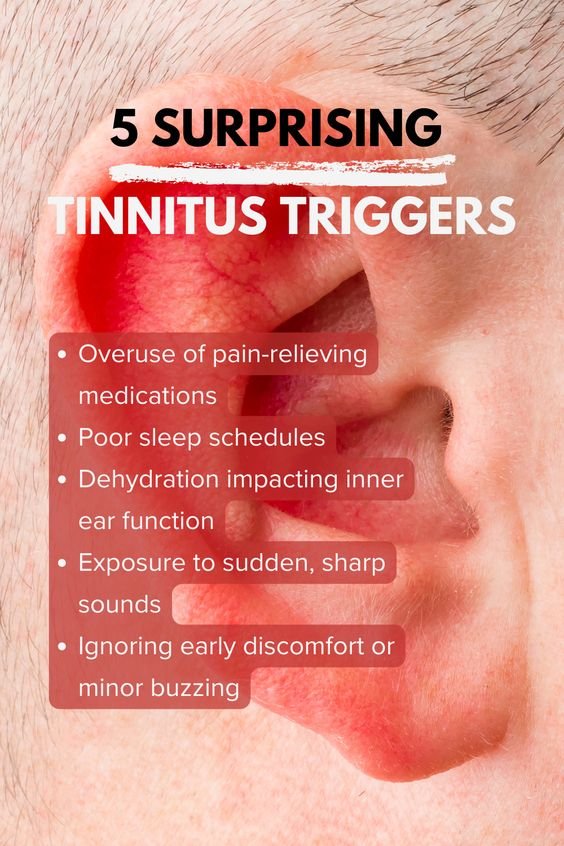
Tinnitus is often described as ringing in the ears, but the reality is far more complex. For many people, it shows up as buzzing, humming, clicking, or a persistent background noise that others can’t hear. While tinnitus is common, it’s also widely misunderstood.
Understanding a few key facts can help people recognize early signs, reduce risks, and make better decisions about long-term ear health. Here are five important facts about tinnitus that many people don’t realize until symptoms appear.
1. Blood Circulation Can Affect Tinnitus Symptoms
Healthy blood flow plays a vital role in ear function. The inner ear relies on a steady supply of oxygen and nutrients, and when circulation is impaired, tinnitus symptoms may become more noticeable.
Poor circulation can be influenced by:
-
Dehydration
-
Prolonged inactivity
-
Stress
-
Certain cardiovascular conditions
Supporting overall circulation through hydration, movement, and healthy habits may help reduce symptom intensity for some individuals.
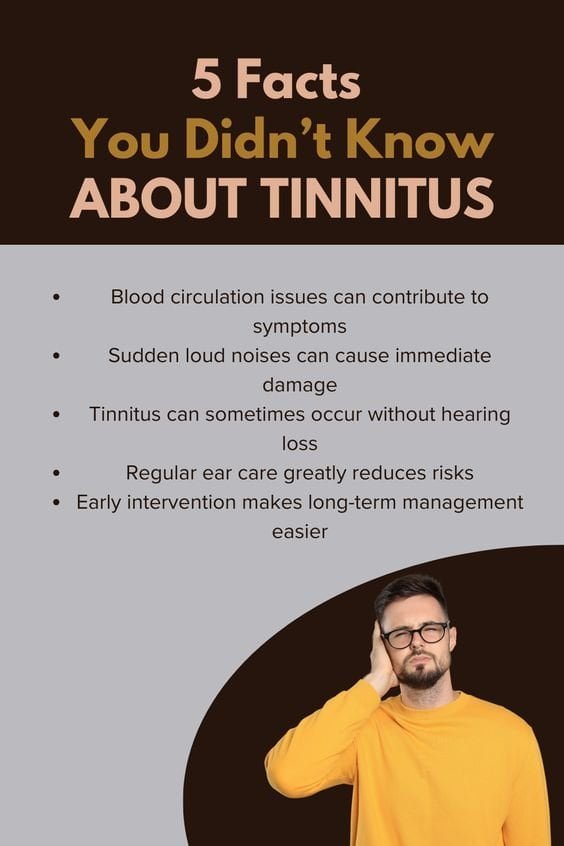
2. Sudden Loud Noises Can Cause Immediate Damage
Tinnitus doesn’t always develop gradually. In some cases, a single exposure to an extremely loud sound—such as an explosion, loud concert, or machinery—can trigger symptoms instantly.
This type of damage may affect sensitive structures in the inner ear, even if hearing loss isn’t immediately obvious. Protecting your ears in noisy environments is one of the most effective ways to reduce tinnitus risk.
3. Tinnitus Can Occur Without Hearing Loss
A common misconception is that tinnitus only affects people with hearing loss. In reality, tinnitus can occur even when hearing tests appear normal.
This can happen when:
-
The auditory system is overstimulated
-
Stress levels are high
-
Neural pathways become overactive
Because symptoms aren’t always linked to hearing loss, tinnitus is sometimes dismissed or overlooked in its early stages.
4. Regular Ear Care Can Reduce Risk
Consistent ear care plays an important role in long-term hearing health. Simple habits can make a difference, including:
-
Avoiding excessive noise exposure
-
Using hearing protection when needed
-
Staying hydrated
-
Keeping ears clean without overuse of tools or cotton swabs
Regular check-ups also help identify potential issues before symptoms worsen.
5. Early Intervention Makes Long-Term Management Easier
One of the most important facts about tinnitus is that early action matters. Addressing symptoms early can make management more effective and less stressful over time.
Early intervention may include:
-
Identifying triggers
-
Managing stress
-
Making lifestyle adjustments
-
Consulting a hearing or healthcare professional
The sooner tinnitus is acknowledged, the easier it often becomes to manage daily life with it.
What This Means for You
Tinnitus doesn’t look the same for everyone. Some people experience mild, occasional symptoms, while others notice persistent sounds that affect sleep, focus, and quality of life.
Understanding these facts helps remove confusion and empowers better decisions—whether that means protecting your ears, paying attention to early signs, or seeking guidance sooner rather than later.
Final Thoughts
Tinnitus isn’t just an “ear problem.” It’s influenced by circulation, noise exposure, stress, and daily habits. While there’s no one-size-fits-all solution, awareness is one of the most powerful tools for prevention and management.
If you’ve noticed changes in how your ears feel or sound, taking early steps can make a meaningful difference over time.