Most people don’t think much about their ears until something feels wrong. A little pressure. Occasional ringing. Mild discomfort that comes and goes. It’s easy to brush these off as nothing serious. But the truth is, many common daily habits can quietly harm your ears over time—often without obvious warning.
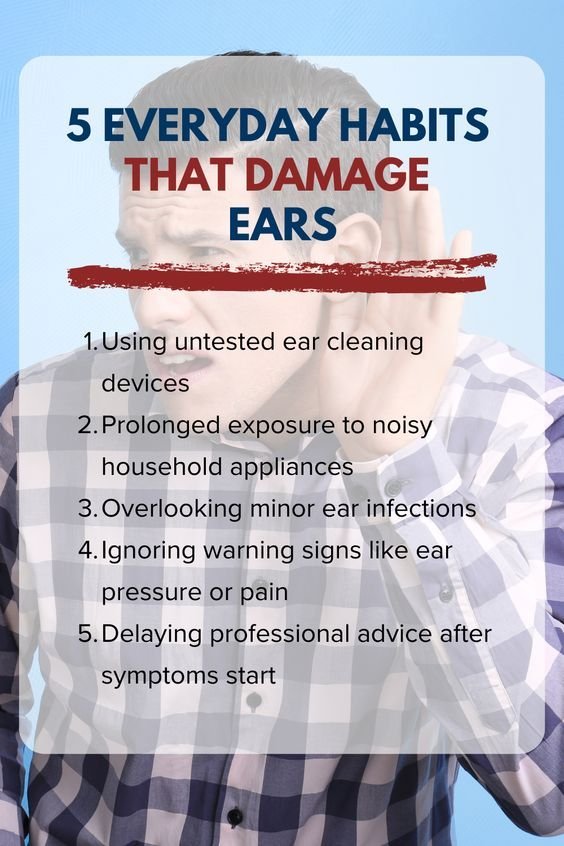
Hearing damage doesn’t always happen suddenly. In many cases, it builds slowly through small, repeated actions. In this article, we’ll break down 5 everyday habits that damage ears, explain why they matter, and share practical ways you can protect your hearing before problems become harder to reverse.
Let’s dive in.
1. Using Untested Ear Cleaning Devices
Cleaning your ears might feel like a healthy habit, but using untested or aggressive ear-cleaning tools can do more harm than good. Cotton swabs, metal picks, or trendy ear-cleaning gadgets often push earwax deeper into the ear canal instead of removing it.
Earwax actually plays an important role—it traps dust and protects your ears from bacteria. When it’s forced inward, it can cause blockages, irritation, or even small injuries to the ear canal.
Why this habit damages ears:
-
Increases risk of impacted earwax
-
Can irritate or scratch the ear canal
-
Raises chances of infection or inflammation
A safer approach is letting ears clean themselves naturally or consulting a professional if buildup becomes uncomfortable.
2. Prolonged Exposure to Noisy Household Appliances
When people think about hearing damage, they often picture loud concerts or construction sites. But everyday household noises can also take a toll—especially with repeated exposure.
Appliances like blenders, vacuum cleaners, hair dryers, and even kitchen exhaust fans can reach noise levels that stress the ears over time. When these sounds become part of daily routines, the cumulative effect can slowly weaken hearing sensitivity.
Common signs to watch for:
-
Temporary ringing after loud household tasks
-
Feeling like sounds are “muffled” afterward
-
Needing to turn up the TV more than before
Reducing exposure time and taking short breaks from loud environments can make a noticeable difference.
3. Overlooking Minor Ear Infections
A mild ear infection can seem harmless, especially if pain is minimal or comes and goes. Many people delay addressing it, assuming it will resolve on its own. Unfortunately, untreated infections can sometimes linger and create deeper problems.
Even minor infections can cause inflammation that affects sensitive inner-ear structures if ignored for too long.
Why this habit damages ears:
-
Infections can spread or worsen silently
-
Repeated inflammation may impact hearing clarity
-
Delayed care increases long-term risk
If discomfort, discharge, or fullness lasts more than a few days, it’s usually a sign to seek professional advice.
4. Ignoring Warning Signs Like Ear Pressure or Pain
Ear pressure, fullness, or dull pain is often the body’s way of signaling that something isn’t right. Many people normalize these sensations—especially during colds, flights, or allergy seasons.
While occasional pressure can be harmless, frequent or persistent symptoms shouldn’t be ignored. They may point to fluid buildup, inflammation, or changes in ear function that deserve attention.
Pay attention if you notice:
-
Ongoing pressure in one or both ears
-
Pain when chewing or swallowing
-
Ringing or buzzing sounds
Listening to these early signals can help prevent more serious hearing issues later.
5. Delaying Professional Advice After Symptoms Start
One of the most damaging habits of all is waiting too long to ask for help. Many people delay professional care because symptoms feel mild, inconvenient, or uncertain.
The challenge is that ear and hearing issues are often easier to manage when addressed early. Waiting until symptoms become severe can limit available options and prolong recovery.
Why early action matters:
-
Prevents small issues from becoming chronic
-
Reduces risk of permanent hearing changes
-
Provides peace of mind through proper evaluation
Even a simple check-up can clarify what’s happening and guide safe next steps.
Final Thoughts: Protecting Your Hearing Starts with Awareness
Your ears work hard for you every day—helping you communicate, stay aware of your surroundings, and enjoy life’s small sounds. The problem is that many everyday habits that damage ears feel completely normal until the effects add up.
The good news? Small changes can make a big difference. Being mindful about ear cleaning, noise exposure, early symptoms, and timely advice can help protect your hearing long-term.
If this guide helped you spot a habit you didn’t realize mattered, save it for later or share it with someone who might benefit. Your future ears will thank you.