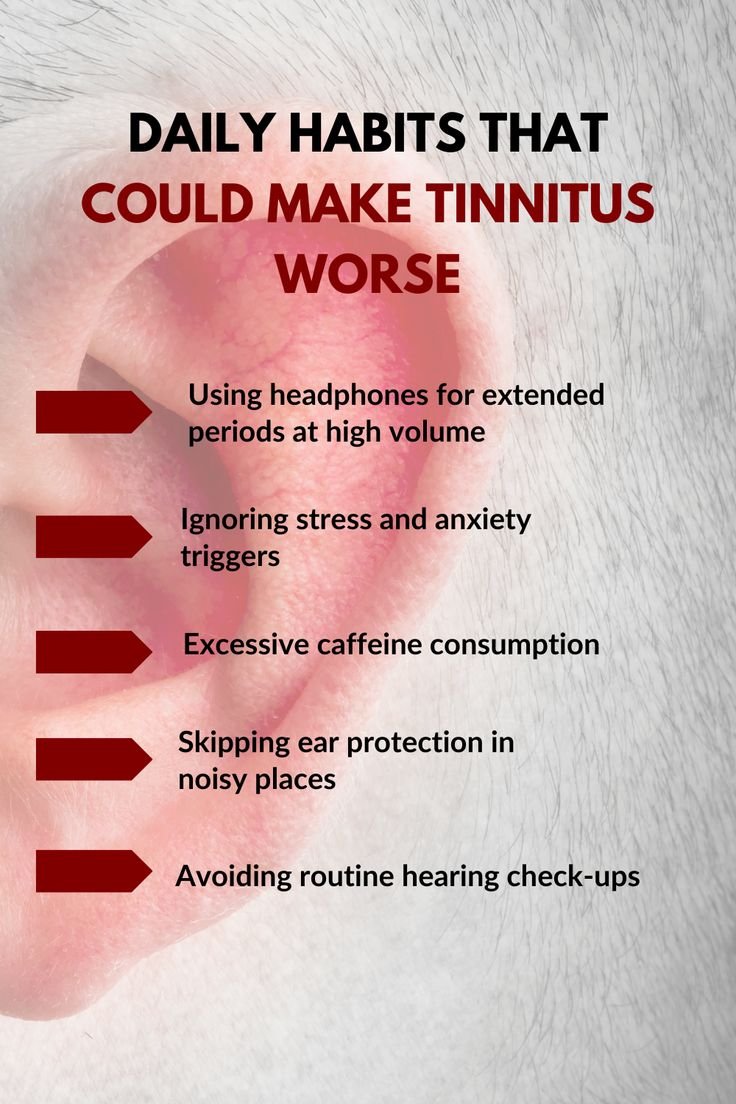
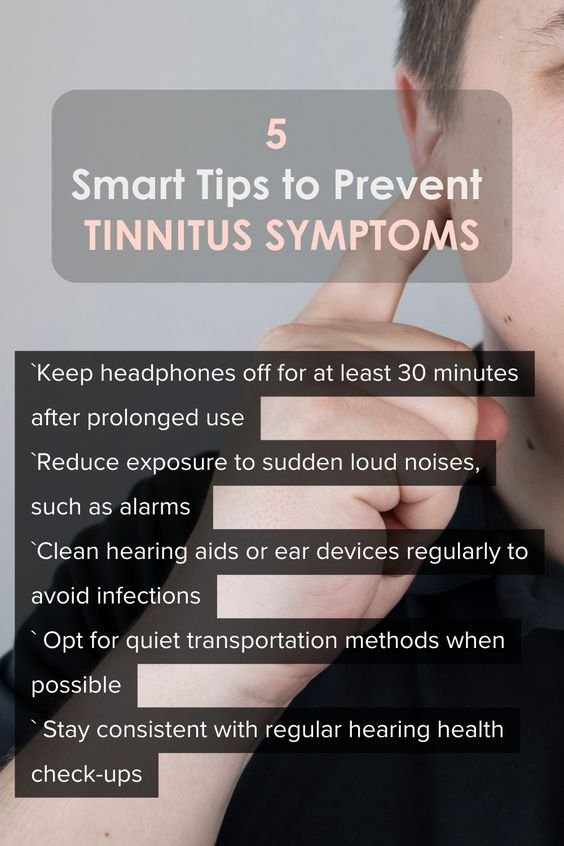
Tinnitus doesn’t usually get worse overnight. For most people, it slowly intensifies due to small, everyday habits that seem harmless at the time. That’s why understanding the everyday errors that worsen tinnitus is so important—because many of them are surprisingly easy to avoid once you’re aware of them.
Ringing, buzzing, or fullness in the ears is often your body’s way of asking for a little more care. In this post, we’ll break down six common mistakes inspired by real-life routines, explain why they matter, and share simple, realistic alternatives that better support ear health.
Let’s take a closer look.
1. Skipping Annual Ear Check-Ups
Many people wait until tinnitus becomes severe before checking their ears. Unfortunately, skipping regular ear check-ups can allow small issues—like wax buildup or early hearing changes—to go unnoticed.
Routine checks help catch problems early and provide peace of mind, even if symptoms feel mild or occasional.
What helps instead: Think of ear check-ups like eye exams. Even when everything feels “fine,” regular monitoring supports long-term hearing health.
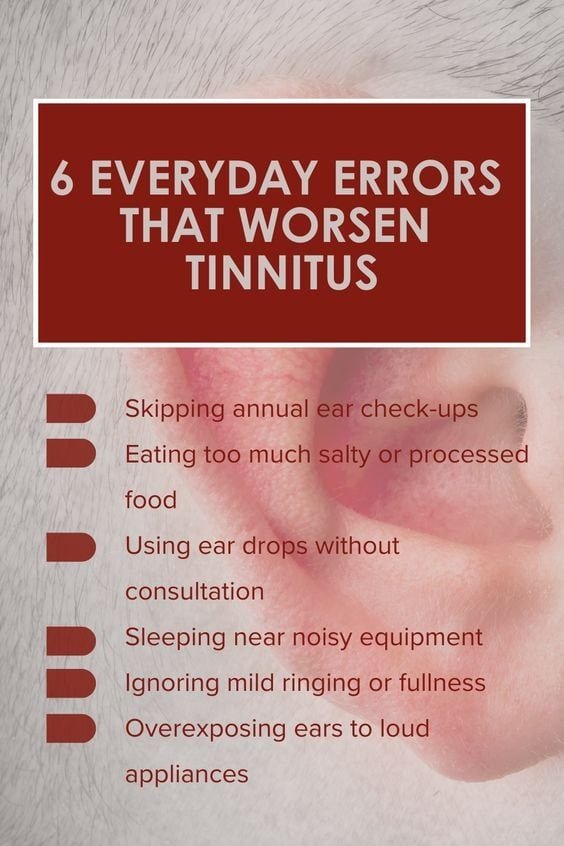
2. Eating Too Much Salty or Processed Food
Diet plays a bigger role in tinnitus than many realize. High salt intake can affect circulation and fluid balance in the inner ear, sometimes making ringing feel louder or more persistent.
Processed foods often contain hidden sodium, making it easy to overdo it without noticing.
A gentler approach: Focus on whole foods when possible and pay attention to how your ears feel after salty meals. Small dietary adjustments can make symptoms feel more manageable over time.
3. Using Ear Drops Without Consultation
Over-the-counter ear drops are widely available, which makes it tempting to self-treat without guidance. However, using ear drops incorrectly—or when they aren’t needed—can sometimes irritate the ear canal or mask underlying issues.
Not all ear discomfort is caused by wax, and drops aren’t always the right solution.
What’s safer: If fullness, pain, or ringing persists, it’s better to pause and seek proper advice rather than guessing.
4. Sleeping Near Noisy Equipment
Background noise during sleep may seem harmless, especially if it’s familiar. But sleeping near loud fans, appliances, or electronics can subtly strain your ears over time.
For people with tinnitus, nighttime noise can make symptoms feel more noticeable the next day.
A better sleep setup: Aim for a calm, quiet sleeping environment. If silence makes tinnitus feel louder, gentle, low-level sound (like soft ambient noise) may feel more comfortable than mechanical noise.
5. Ignoring Mild Ringing or Ear Fullness
One of the most common everyday errors that worsen tinnitus is ignoring early warning signs. Mild ringing, pressure, or fullness often gets brushed off as temporary—but these signals can point to stress, noise exposure, or ear strain.
Waiting too long can allow symptoms to become more persistent.
A helpful mindset: Early attention doesn’t mean panic—it means awareness. Noticing patterns early can help you make supportive changes sooner.
6. Overexposing Ears to Loud Appliances
Household noise is easy to underestimate. Hair dryers, blenders, power tools, and even lawn equipment can reach volume levels that strain hearing with repeated exposure.
Over time, this noise buildup can worsen tinnitus symptoms, especially without protection.
Simple protection tips:
-
Limit exposure time
-
Step away when possible
-
Use ear protection for louder tasks
Small steps like these reduce unnecessary strain on your ears.
Why Small Habits Matter More Than You Think
Tinnitus is often influenced by accumulation—small habits repeated daily. None of these errors alone guarantees worsening symptoms, but together they can quietly increase discomfort.
Think of tinnitus care as reducing background “noise” in your lifestyle. The fewer stressors your ears face, the more supported they feel.
Final Thoughts: Awareness Is a Powerful First Step
Understanding the everyday errors that worsen tinnitus gives you control. You don’t need drastic changes—just thoughtful adjustments and consistency.
Pay attention to early signs, respect your ears, and treat ear care as part of everyday wellness, not an afterthought.
📌 Save this post for later if tinnitus is something you manage daily.
💬 Which habit do you think has the biggest impact on your ears right now?