When you’re trying to lose weight fast, it’s tempting to eat as little as possible. But here’s the truth: eating too few calories can actually slow your progress.
Your body isn’t a calculator — it’s a smart system that adapts. When you consistently eat less than your body needs, it fights back to protect you. Let’s look at what really happens when you go too low on calories — and how to fix it the healthy way.
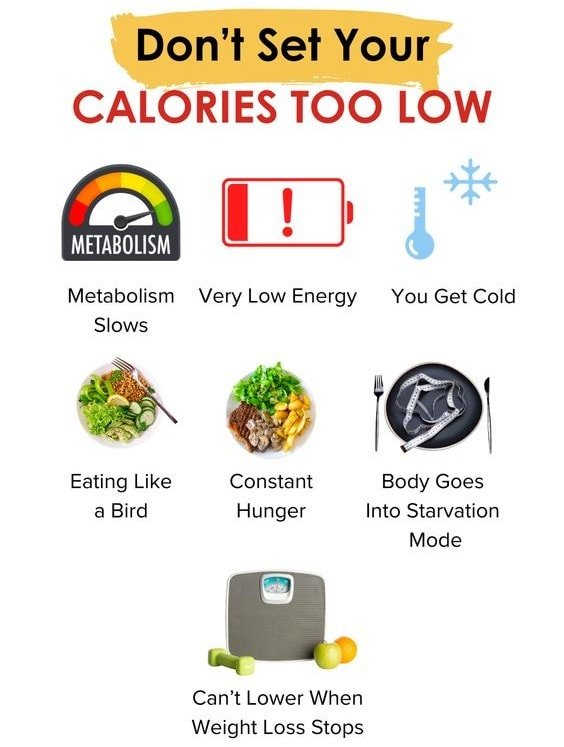
1. Your Metabolism Slows Down
When your calorie intake drops too low, your body lowers its energy output to conserve fuel. This means your metabolism slows, making it harder to burn fat even when you’re eating very little.
💡 Tip: Instead of extreme cuts, aim for a moderate calorie deficit (like 300–500 calories below maintenance). It’s sustainable and keeps your metabolism active.
2. You Feel Tired All the Time
Very low-calorie diets leave your body short on essential nutrients like iron, B vitamins, and carbs — the main energy source for your muscles and brain. The result? Constant fatigue and low motivation.
💡 Tip: Include whole grains, lean proteins, and healthy fats in every meal. Your body runs better with balanced fuel.
3. You Get Cold Easily
When calories drop too low, your body tries to conserve energy by reducing heat production — making you feel cold even in normal temperatures.
💡 Tip: Eat enough protein and stay active to help maintain muscle mass and internal warmth.
4. Constant Hunger & Food Cravings
Undereating often leads to hormonal imbalances — especially ghrelin (the hunger hormone) and leptin (the fullness hormone). You’ll end up feeling hungry all day, even after meals.
💡 Tip: Add fiber-rich foods like oats, veggies, and chia seeds to keep you full longer.
5. Body Goes Into “Starvation Mode”
When food is scarce, your body becomes efficient at storing energy — which means it burns fewer calories and stores more fat. Over time, this can stall weight loss entirely.
💡 Tip: Take one “refeed” day per week with slightly higher calories (mostly from healthy carbs) to reset your metabolism.
6. Weight Loss Plateaus
If you’ve been eating too little for too long, your weight might stop dropping altogether — even if you’re barely eating. Your metabolism adapts to the new low intake.
💡 Tip: Gradually increase calories back to maintenance level for a few weeks before restarting your deficit.
Final Thoughts
Starving yourself isn’t the key to fat loss — it’s the fastest way to burn out your metabolism and lose energy. Real, lasting weight loss happens when you eat enough to fuel your body and move consistently.
So next time you’re tempted to drop your calories too low, remember: your body doesn’t want less food — it wants better food and smarter balance. 💪🥗