When you’re eager to lose weight, cutting calories might seem like the fastest route. But here’s the truth — setting your calories too low can actually stall your progress. Instead of speeding up weight loss, it can slow your metabolism, drain your energy, and trigger constant hunger. Let’s unpack why this happens and how to fuel your body the right way.
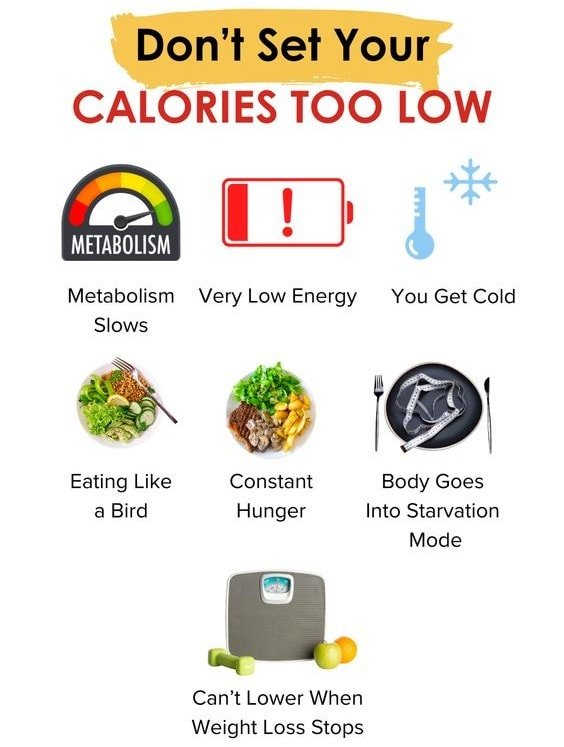
1. Your Metabolism Slows Down
When calorie intake drops too much, your body starts conserving energy by slowing down your metabolism — the very thing that helps you burn fat. This is your body’s natural defense mechanism against starvation.
Fix it:
-
Eat enough protein and complex carbs to support your metabolism.
-
Focus on gradual, sustainable calorie reductions (no crash diets).
-
Include strength training to maintain muscle mass and burn more calories.
2. You Feel Exhausted and Lose Energy
Too few calories mean your body doesn’t have enough fuel for daily activities. You might notice fatigue, brain fog, or irritability throughout the day.

Try This:
-
Eat balanced meals every 3–4 hours.
-
Prioritize nutrient-rich foods like eggs, oats, vegetables, and lean meat.
-
Don’t skip breakfast — it jumpstarts your energy for the day.
3. You Start Feeling Cold Frequently
Low calories mean less energy for body temperature regulation. That’s why people on extreme calorie restriction often feel chilly even in normal conditions.
Simple Fix:
-
Add healthy fats like olive oil, nuts, and avocado.
-
Ensure you’re getting enough iron and B vitamins to support metabolism.
4. Constant Hunger and Cravings Take Over
When you eat too little, your hunger hormones spike. This often leads to binge eating later — undoing all your calorie-cutting efforts.
What Helps:
-
Eat high-volume, low-calorie foods like leafy greens and soups.
-
Include a protein source in every meal to stay full longer.
-
Stay hydrated — thirst can mimic hunger.
5. Your Body Enters “Starvation Mode”
In starvation mode, your body stores fat instead of burning it because it senses a food shortage. The result? Slower weight loss or even weight gain.
Avoid It By:
-
Eating at least your basal metabolic rate (BMR).
-
Using small, consistent deficits rather than drastic cuts.
6. You Hit a Plateau with No Room to Adjust
When you start too low, there’s nowhere left to go when progress stops. The body adapts quickly, and further cutting calories only makes things worse.
Pro Tip: Start with a moderate calorie reduction and adjust slowly over time. Combine it with daily movement and rest for sustainable fat loss.
Final Thoughts
Setting your calories too low might seem like a shortcut, but it only slows your metabolism, drains your energy, and leads to frustration. A better approach? Fuel your body wisely, eat balanced meals, and focus on long-term health instead of quick fixes.
👉 Pin this post for later — because smart nutrition beats starvation every time.