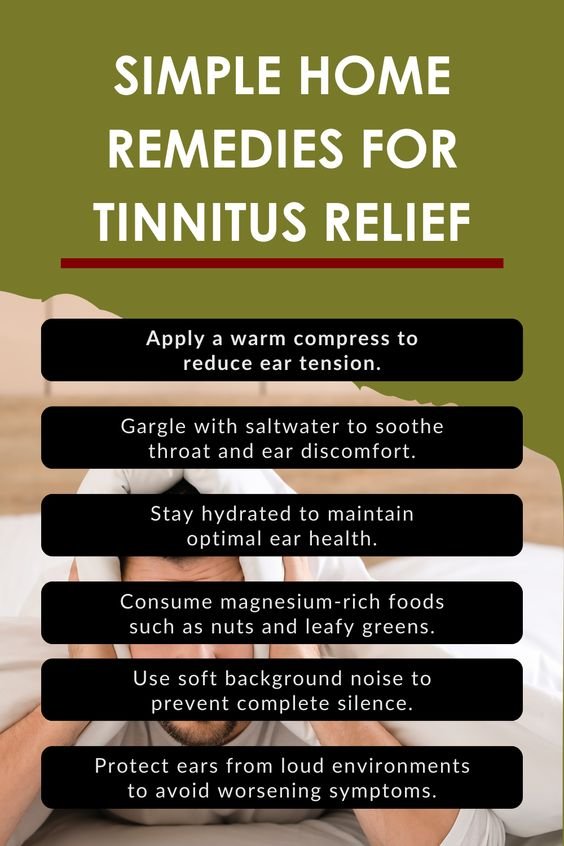
Living with tinnitus can feel like a constant background noise you never turned on. For some, it’s a faint ringing; for others, it’s a loud hiss that seems to follow them everywhere. While there’s no universal one-step cure, many people find comfort through small, everyday habits that help calm the nervous system, improve circulation, and reduce ear sensitivity.
In this guide, we’ll explore DIY approaches for tinnitus relief inspired by natural wellness practices—like ginger tea, ear warmth, neck stretches, and circulation support. These aren’t miracle solutions, but gentle lifestyle changes that might help you feel a little more at ease day-to-day.
1. Use Olive Oil Drops (If Safe & Approved by a Professional)
One of the suggestions often discussed in natural ear care communities is using olive oil drops, especially when dryness or wax buildup becomes an issue. A lightly warmed drop may help lubricate the ear canal and reduce irritation––but only if your healthcare provider says it’s safe and if there’s no infection, perforated eardrum, or other medical concerns present.
A safe approach may look like this:
-
Slightly warm (not hot) a few drops of olive oil.
-
Use a clean dropper to place it just at the ear entrance.
-
Let it settle for a few minutes while lying on your side.
Always err on the side of caution. When in doubt, ask a doctor first.
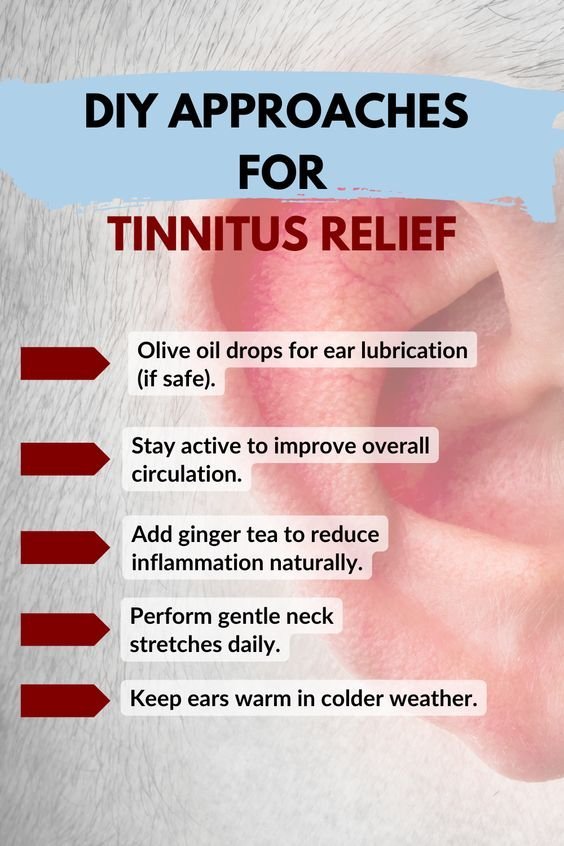
2. Stay Active to Improve Circulation
Movement is one of the simplest yet most overlooked tools for tinnitus support. Poor circulation may make symptoms feel louder, especially when the body is tense or sedentary. Gentle daily exercise helps blood flow more freely to the head, neck, and auditory system.
Here are easy movement ideas:
-
15–20 minute walks
-
Cycling at a moderate pace
-
Stretch-based workouts like yoga or Pilates
-
Light cardio to increase heart rate without strain
Think of it as waking your internal wiring up—like turning on a smoother, more even signal.
3. Add Ginger Tea for Natural Inflammation Support
Ginger has been used for generations to soothe inflammation and support circulation. While it isn’t a treatment for tinnitus, some people find the warm, calming nature of ginger tea grounding and comforting—especially during flare-ups.
Try this soothing ginger tea recipe:
-
1–2 thin slices of fresh ginger
-
1 cup hot water
-
Optional: honey + lemon
-
Steep for 5–8 minutes and sip slowly
The goal here isn’t instant silence—it’s creating a relaxed internal environment where the ringing feels less intrusive.
4. Gentle Neck Stretches to Release Tension
Neck tension and jaw tightness can sometimes make tinnitus feel louder. A slow stretching routine can release muscle pressure around the auditory nerves. Try one or two stretches daily, ideally in a calm, seated position.
Here are three simple stretches:
Ear-to-Shoulder Stretch
Tilt your head gently toward your shoulder and hold for 15–20 seconds each side.
Chin Drop Stretch
Lower your chin to your chest and breathe slowly—feel the tension melt down your spine.
Upper Neck Rotation
Turn your head slowly right, then left, about 10–15 seconds per side.
The goal is softness, not strain.
5. Keep Your Ears Warm in Cold Weather
Cold air can sometimes heighten tinnitus sensitivity, especially for those with circulation-related triggers. Wearing earmuffs, beanies, or even a light headband can help keep warmth flowing around the ear canal.
Try this subtle daily habit:
-
Cover ears before stepping outside in wind or winter air
-
Use warm compresses on tense areas behind the ear
-
Avoid sudden temperature shocks (cold wind → warm room → cold again)
Warmth is a small comfort, but often a noticeable one.
Final Thoughts
Tinnitus can be frustrating, exhausting, and incredibly personal—but gentle daily habits may help lessen the noise and give you more moments of peace. These DIY approaches for tinnitus relief—from ginger tea to ear warmth to simple stretches—are not cures, but supportive lifestyle tools you can experiment with at your own pace.
Save this post so you can come back to it anytime, and if you try one of these tips, let me know which one brings you the most relief.