Knee pain can affect even the simplest movements — walking, climbing stairs, standing up from a chair, or getting in and out of the car. Whether the discomfort is from injury, overuse, arthritis, exercise or aging, how you care for your knee each day matters. The right habits can reduce inflammation, improve mobility, and help prevent future flare-ups.
Here are practical, gentle daily strategies that can make living with knee pain more manageable.
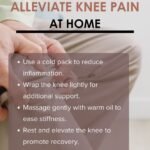
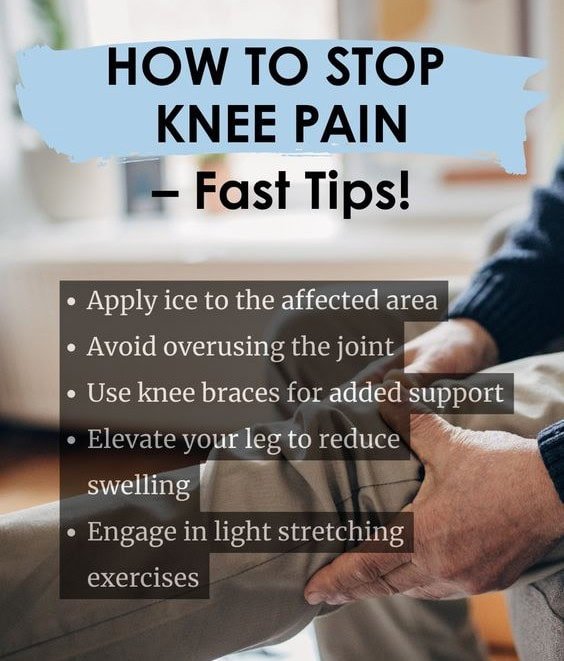
1. Ice Your Knee After Swelling Begins
Ice is one of the most effective ways to calm irritation and reduce inflammation. Applying it early can help prevent swelling from worsening.
How to ice safely:
-
Wrap ice in a thin cloth (never apply directly to skin)
-
Use for 15–20 minutes at a time
-
Repeat 2–3 times a day during flare-ups
Ice is best used for recent pain or swelling. For chronic stiffness, heat may help — especially before movement.
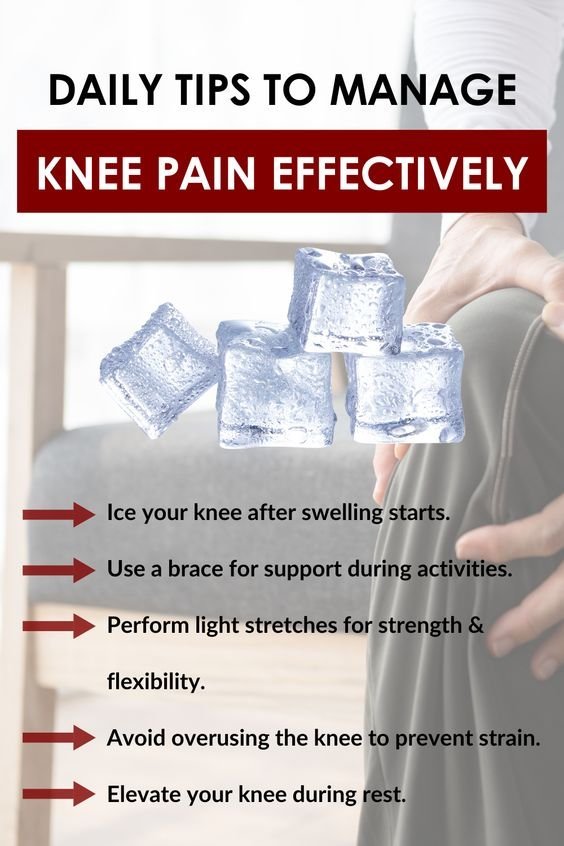
2. Use a Knee Brace for Extra Stability
A brace offers support, especially during walking, exercise or long periods on your feet. It helps keep the knee aligned and reduces stress on the joint.
Choose a brace when:
✔ Your knee feels unstable
✔ You’re active or moving frequently
✔ Pain increases with motion
Support can make daily movement more comfortable and controlled.
3. Perform Light Stretches & Strength Exercises
Weak or tight muscles around the knee place extra strain on the joint. Gentle stretching and strengthening can reduce pressure and improve function over time.
Useful exercises include:
-
Heel slides
-
Quad sets
-
Hamstring stretches
-
Seated leg raises
Start slowly, stay consistent, and avoid anything that causes sharp pain. Small daily mobility work pays off more than intense occasional sessions.
4. Avoid Overusing the Knee
Repetitive stress — long walks, sudden increases in activity, running or kneeling for extended periods — can cause flare-ups. Resting doesn’t mean stopping movement entirely, but rather allowing the joint to recover between activities.
Tips to prevent overuse:
-
Take breaks during walking or work
-
Alternate high-impact with low-impact activity
-
Listen to pain signals — discomfort is a message, not a challenge
Balance movement with recovery.
5. Elevate Your Knee When Resting
Elevation helps reduce swelling and improves circulation. Raising the knee above heart level for even short periods can ease pressure and inflammation.
Great times to elevate:
-
After exercise
-
Before sleep
-
During long sitting periods
Combine elevation with ice for extra relief.
When to Seek Professional Help
Contact a healthcare provider if:
⚠ Pain becomes severe or persistent
⚠ Swelling doesn’t improve with rest
⚠ Knee feels unstable or gives out
⚠ You hear popping accompanied by pain
⚠ Movement becomes increasingly limited
Early treatment prevents long-term damage.
Final Thoughts
Knee pain doesn’t have to control your day. With small habits — icing, stretching, wearing a brace, avoiding overuse and elevating when needed — you can maintain comfort and mobility in everyday life. Progress may feel slow at times, but consistent care brings real improvement.
Support your knee, move mindfully, rest when necessary — and let healing happen at its own pace.