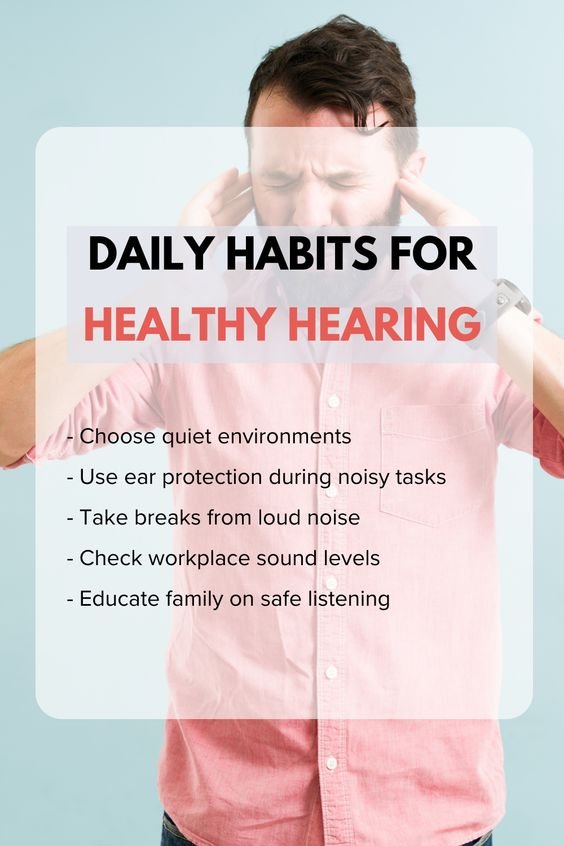
Hearing is one of those senses we often take for granted — until something goes wrong. From loud environments to everyday noise exposure, our ears work constantly, filtering sounds we’re aware of and countless sounds we barely notice. Over time, repeated exposure to high decibels can contribute to hearing strain, tinnitus, or loss of clarity.
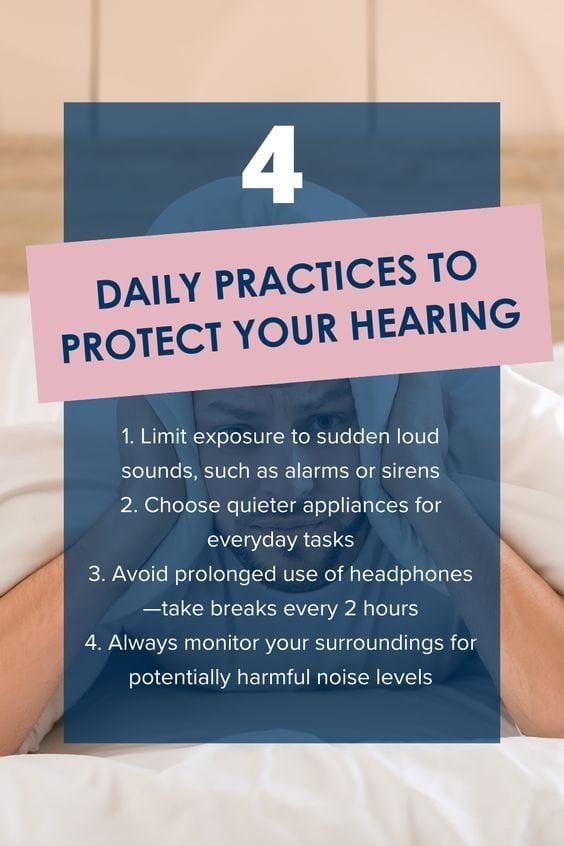
The good news is that hearing protection doesn’t require complicated tools — small daily habits can make a meaningful difference. Below are four simple, realistic practices you can integrate into your routine to help safeguard your hearing long-term.
1. Limit Exposure to Sudden Loud Sounds
Alarms, fireworks, sirens, machinery, and sudden audio spikes can shock the auditory system. Even brief exposure to extremely loud noise may be stressful for the delicate structures inside the ear.
Ways to reduce impact:
-
Step back or cover your ears when unexpected loud sounds occur
-
Keep alarms, notifications, and ringtones at lower volume
-
Maintain distance from speakers at events or gatherings
You don’t have to avoid sound entirely — just give your ears space from intensity when possible.
2. Choose Quieter Appliances for Daily Use
Many household devices contribute to noise exposure without us realizing it — blenders, vacuums, hair dryers, lawn equipment, and more. Over decades, daily use can accumulate stress on hearing.
Supportive habits include:
-
Selecting quieter appliance models when replacing old ones
-
Using noise-reduction settings if available
-
Moving slightly farther away while machines operate
-
Turning appliances off when not in use
Every decibel reduced is less strain on the inner ear.
3. Avoid Prolonged Headphone Use
Headphones deliver sound directly into the ear canal, which means volume and duration matter. Even moderate volume becomes harmful if listened to for long sessions without breaks.
Healthier listening habits:
| Practice | Benefit |
|---|---|
| Keep volume below 60% | Reduces risk of auditory overload |
| Follow the 60/60 rule (60 mins at 60%) | Encourages safer listening duration |
| Take breaks every 2 hours | Allows recovery time for the auditory system |
| Use noise-canceling instead of increasing volume | Helps avoid unnecessary loudness |
Your ears appreciate downtime — silence is restorative.
4. Stay Aware of Noise Levels Around You
Many hearing challenges develop slowly, not suddenly. Developing awareness of noisy environments helps you take action before damage occurs.
Examples of noise-aware behavior:
-
Pause and notice when sound feels too sharp, harsh, or tiring
-
Step away from loud music or heavy machinery when possible
-
Wear ear protection at concerts, construction sites, clubs, or sporting events
-
Monitor volume levels on devices and entertainment systems
Hearing preservation starts with awareness.
Why Hearing Protection Matters
Once hearing cells are damaged, they do not regenerate. Prevention is often more effective than treatment. Simple habits practiced consistently can:
🔹 Reduce long-term damage from everyday sound
🔹 Decrease the risk of tinnitus or ringing in the ears
🔹 Improve listening comfort and focus
🔹 Support healthier auditory aging
Good hearing supports communication, social connection, work performance, and quality of life — worth protecting daily.
Helpful Extras to Support Ear Health
Along with the four core habits, these additional practices may benefit long-term auditory wellness:
-
Maintain regular ear hygiene (avoid inserting objects into the canal)
-
Stay hydrated to support inner-ear fluid balance
-
Allow quiet time during the day for ear recovery
-
Seek audiologist evaluation if hearing changes occur
Small, consistent actions build resilience over time.
Final Thoughts
Protecting your hearing doesn’t require major lifestyle changes — just mindful choices repeated daily. Limiting sudden loud noise, choosing quieter appliances, taking breaks from headphones, and remaining aware of your sound environment are all manageable habits that can make a lasting difference. The goal isn’t to avoid sound — it’s to navigate noise with awareness and intention. Treat your hearing as something valuable, because it is. A little care today can help preserve clarity, comfort, and connection for years to come.