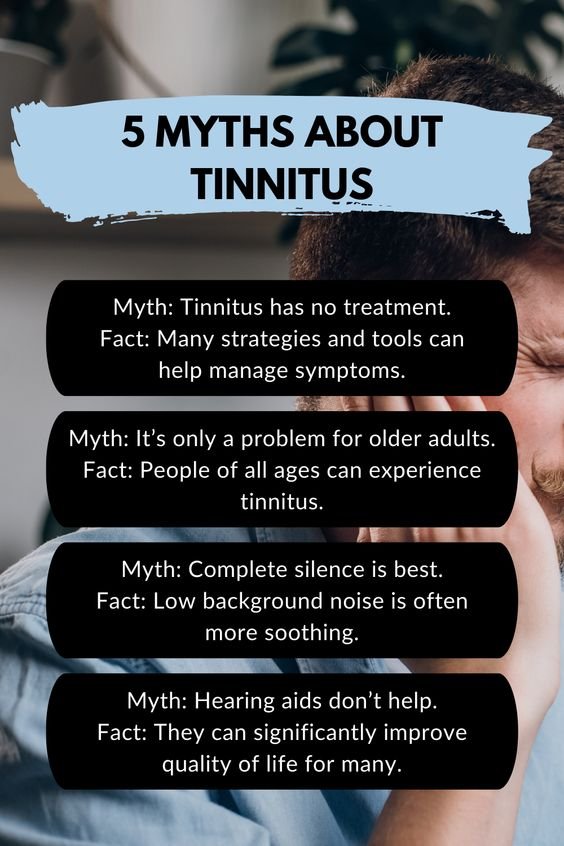
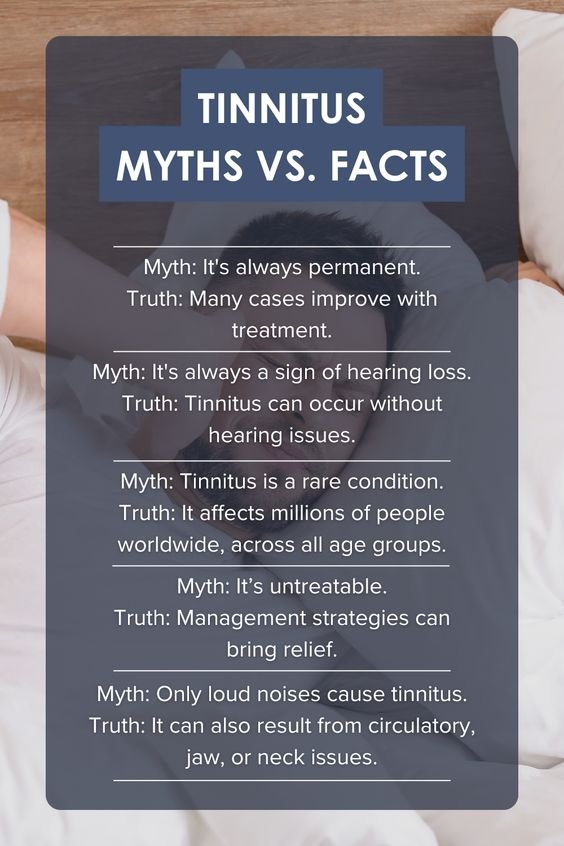
If you’ve ever brushed off ringing in your ears, blasted music without worry, or ignored earwax buildup, you’re not alone. Many people make these choices because of common myths about ear health that sound harmless—but aren’t always true.
The problem? These myths can quietly affect your hearing over time. Ear health isn’t something most of us think about daily, yet it plays a huge role in communication, balance, and overall quality of life. In this post, we’ll break down the most common ear health myths, explain why they’re misleading, and share practical, realistic ways to protect your hearing starting today.
Let’s clear up the confusion.
Myth 1: “Tinnitus Will Go Away on Its Own”
One of the most widespread common myths about ear health is that tinnitus—ringing, buzzing, or humming in the ears—is temporary and harmless.
Sometimes tinnitus does fade, especially if it’s caused by short-term noise exposure or stress. But for many people, persistent tinnitus is a sign of underlying hearing damage, circulation issues, or nerve sensitivity.
Ignoring ongoing tinnitus can delay helpful steps like sound therapy, hearing checks, or lifestyle adjustments. Early awareness matters, even if the sound seems mild at first.
What helps instead:
-
Monitor how often the ringing occurs
-
Reduce exposure to loud noise
-
Manage stress and sleep, which can worsen symptoms
-
Seek professional guidance if it lasts more than a few weeks
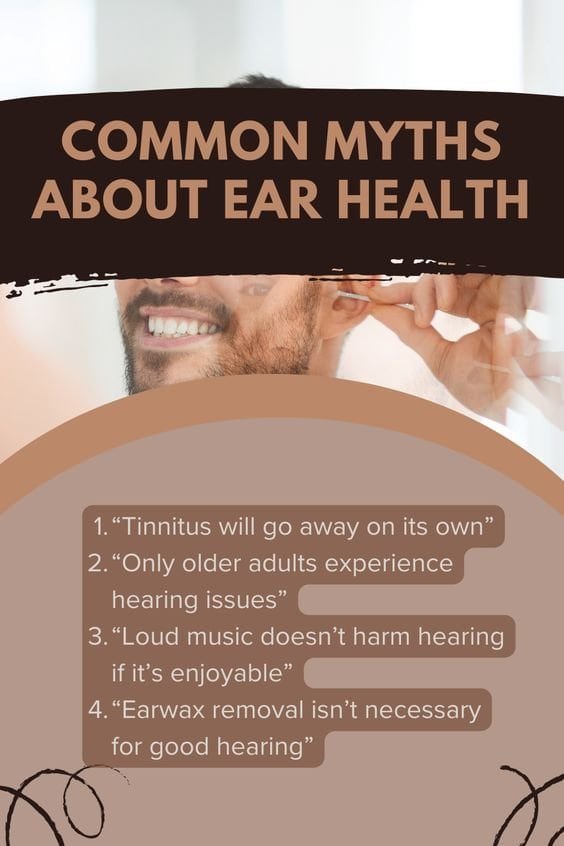
Myth 2: “Only Older Adults Experience Hearing Issues”
It’s easy to associate hearing problems with aging, but this is another misleading belief. Hearing issues can affect teens, young adults, and middle-aged people, especially in today’s noise-heavy world.
Frequent headphone use, loud concerts, gaming headsets, and even constant background noise can strain hearing over time. Many people don’t notice gradual changes until they start missing conversations or asking others to repeat themselves.
The truth is, hearing health is a lifelong concern—not just something to think about later in life.
A more realistic mindset: Protecting your ears early is like protecting your eyesight or posture. Small habits now can make a big difference later.
Myth 3: “Loud Music Doesn’t Harm Hearing If It’s Enjoyable”
This myth feels especially convincing. If music sounds good and doesn’t hurt, it must be safe… right?
Unfortunately, enjoyment doesn’t protect your ears. Sound damage depends on volume and duration, not how pleasant the noise feels. Extended exposure to loud music—especially through earbuds or headphones—can gradually damage delicate inner-ear structures.
A good rule of thumb is the 60/60 rule: listen at no more than 60% volume for no longer than 60 minutes at a time.
Simple protective habits:
-
Lower volume slightly (your ears adapt quickly)
-
Take listening breaks
-
Use noise-canceling headphones to avoid turning volume up
Myth 4: “Earwax Removal Isn’t Necessary for Good Hearing”
Earwax often gets a bad reputation, but it actually protects the ear canal by trapping dust and bacteria. The myth isn’t that earwax exists—it’s that buildup never causes problems.
Excess earwax can block sound, cause muffled hearing, trigger discomfort, or even worsen tinnitus. At the same time, over-cleaning or using cotton swabs can push wax deeper and cause irritation.
The balanced truth: Earwax maintenance matters, but gentle and informed care is key. If hearing feels blocked or sounds seem dull, it may be worth checking rather than guessing.
Why Believing These Common Myths About Ear Health Matters
The biggest issue with these myths isn’t just misinformation—it’s delay. Delaying awareness, care, or small habit changes can slowly impact hearing clarity and comfort.
Ear health works quietly in the background. By the time problems feel obvious, they’ve often been developing for years.
Think of ear care like dental care. You don’t wait for severe pain to brush your teeth—so why wait for hearing struggles to care about your ears?
Final Thoughts: Small Truths Make a Big Difference
Understanding the common myths about ear health gives you an advantage. You don’t need extreme measures or constant worry—just informed, realistic habits.
Pay attention to persistent symptoms, respect volume limits, and treat ear care as part of everyday wellness. These small shifts can help protect one of your most important senses over time.
📌 Save this post for later if ear health isn’t something you think about often.
💬 Which myth surprised you the most?