Ear health is often overlooked until discomfort, ringing, or hearing changes begin to interfere with daily life. What many people don’t realize is that ear problems rarely appear overnight. In most cases, they develop slowly through everyday habits that seem harmless at first.
By understanding these common missteps that harm ear health, you can take simple steps to protect your ears and reduce long-term issues. Below are five everyday habits that may be doing more damage than you think—and what to do instead.
1. Ignoring Persistent Earaches or Discomfort
Occasional ear discomfort can happen, especially during colds, sinus congestion, or seasonal allergies. However, when earaches or pressure become frequent or long-lasting, ignoring them can allow underlying issues to worsen.
Persistent discomfort may point to inflammation, fluid buildup, or irritation that needs proper attention.
Why this matters:
-
Ongoing irritation can worsen over time
-
Untreated issues may affect hearing clarity
-
Early evaluation is often simpler and more effective
Listening to your body’s early warning signs can help prevent long-term ear complications.
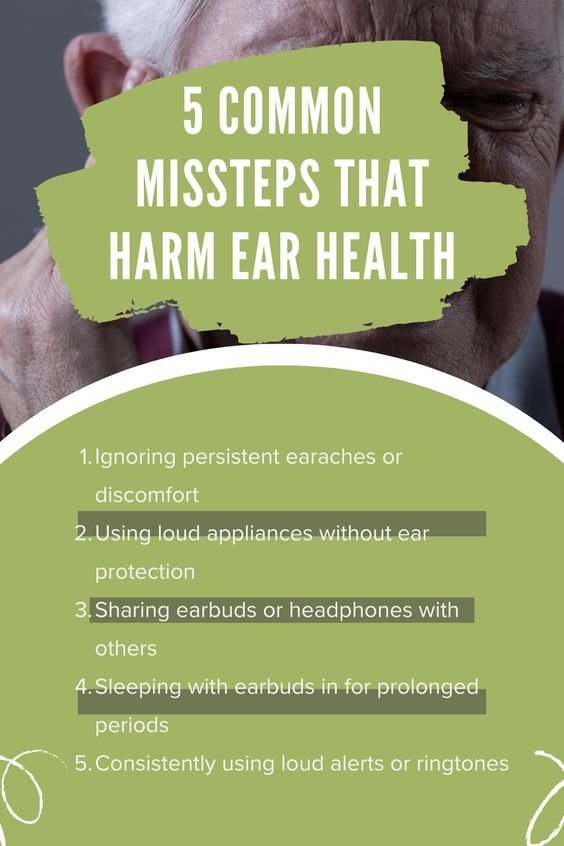
2. Using Loud Appliances Without Ear Protection
Many people associate hearing damage with concerts or industrial noise, but everyday household appliances can also expose your ears to harmful sound levels. Vacuum cleaners, blenders, lawn equipment, and power tools can strain sensitive inner-ear structures when used frequently.
Repeated exposure to loud noise—even at home—can slowly reduce hearing sensitivity.
Helpful habits to adopt:
-
Limit exposure time when possible
-
Take breaks during noisy tasks
-
Use basic ear protection for louder equipment
Protecting your ears during daily activities can make a meaningful difference over time.
3. Sharing Earbuds or Headphones With Others
Sharing earbuds may seem convenient, but it increases the risk of transferring bacteria and fungi into the ear canal. This can raise the likelihood of irritation or infection, especially if sharing becomes frequent.
Ear infections don’t always cause immediate pain, but repeated exposure can disrupt the ear’s natural balance.
Why this habit harms ear health:
-
Increases infection risk
-
Can lead to recurring irritation
-
Disrupts the ear’s protective environment
Keeping earbuds personal and clean is a simple way to protect your ears.
4. Sleeping With Earbuds for Prolonged Periods
Falling asleep to music, podcasts, or calming sounds is common, but regularly sleeping with earbuds can create issues. Extended use may trap moisture, apply pressure inside the ear canal, and irritate sensitive skin.
Over time, this can lead to soreness, itching, or inflammation.
Watch for signs like:
-
Ear tenderness in the morning
-
Increased itching or redness
-
A blocked or full sensation
Using external speakers or limiting overnight use can reduce unnecessary strain.
5. Consistently Using Loud Alerts or Ringtones
Loud alerts and ringtones may help you notice calls or notifications, but repeated exposure—especially close to the ear—can stress hearing over time. Sudden, sharp sounds can affect how the inner ear processes noise.
Healthier alternatives include:
-
Lowering alert and ringtone volume
-
Using vibration or visual notifications
-
Avoiding loud sounds directly near the ear
Small adjustments like these help preserve hearing without sacrificing convenience.
Why Small Habits Have a Big Impact
Ear health is affected by patterns, not single moments. Each of these habits may seem minor on its own, but over time they can quietly add up. The good news is that awareness makes change easier—and most improvements require only small daily adjustments.
Protecting your ears doesn’t mean avoiding sound altogether. It simply means being more mindful of how often and how intensely your ears are exposed.
Final Thoughts
Caring for your ears starts with recognizing the common missteps that harm ear health and choosing gentler alternatives when possible. Paying attention to early discomfort, managing noise exposure, and maintaining basic hygiene habits can go a long way in protecting your hearing.
If this guide helped you spot a habit you hadn’t thought about before, save it for later or share it with someone who might benefit. Small changes today can help preserve healthy hearing for years to come.