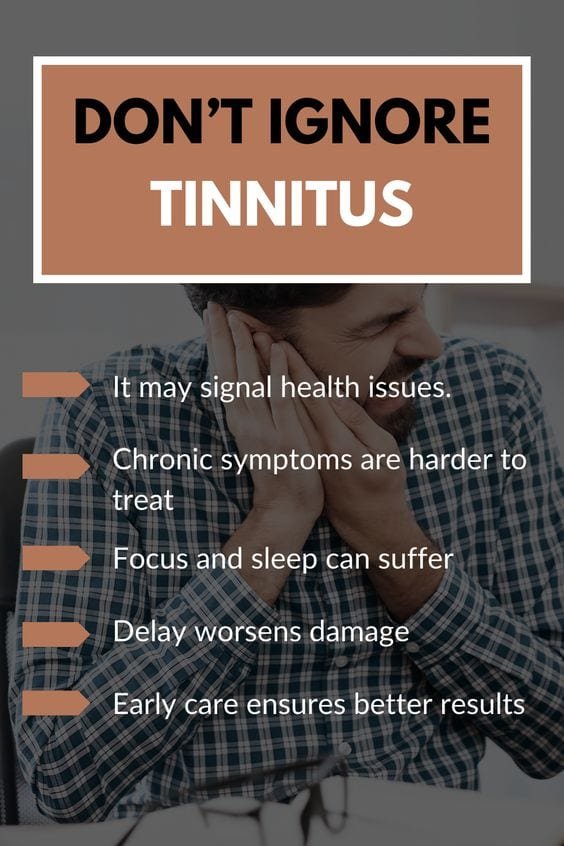
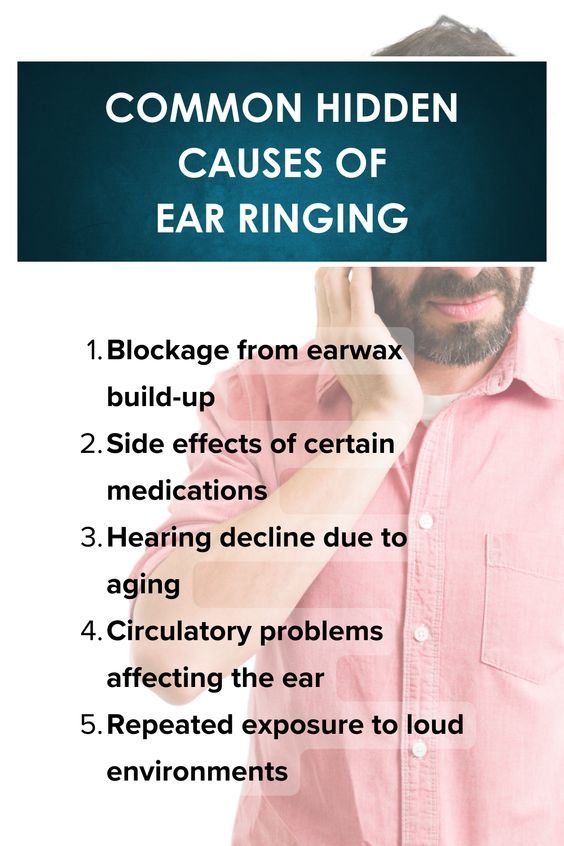
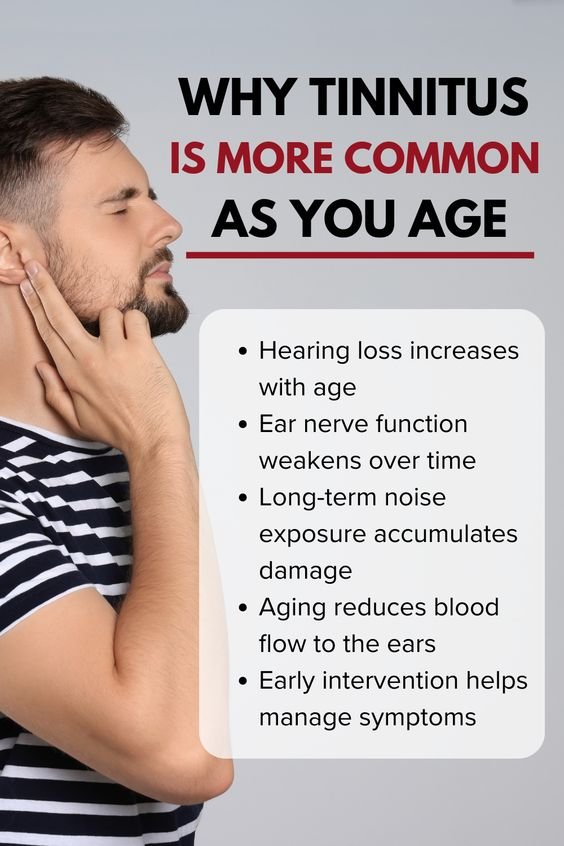
If you’ve ever heard a ringing, buzzing, or humming sound in your ears that no one else seems to notice, you might know what tinnitus feels like. But with so much misinformation floating around, it’s easy to get confused about what causes it and how to manage it.
Let’s clear up some of the most common tinnitus misconceptions so you can separate myth from fact — and feel more in control of your hearing health.
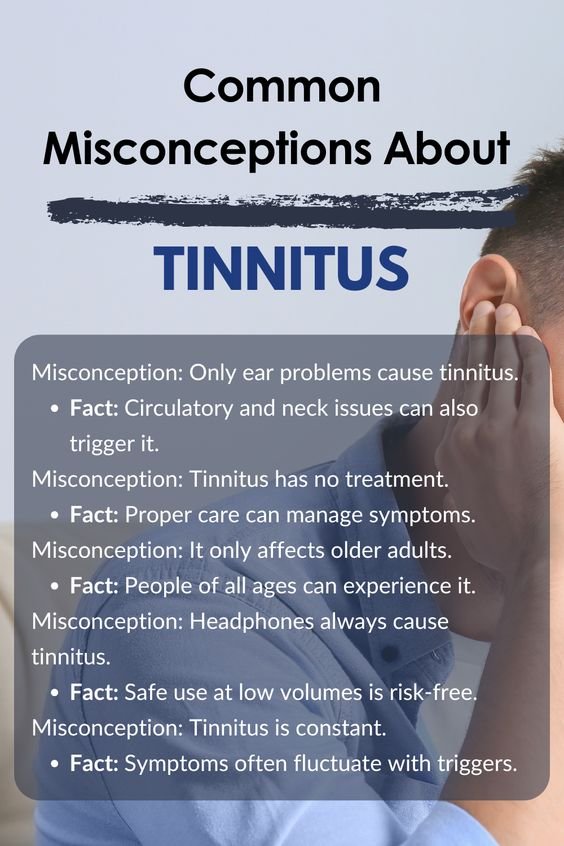
1. Misconception: Only Ear Problems Cause Tinnitus
While ear damage or infections are common triggers, tinnitus isn’t always about your ears. Sometimes, it’s linked to circulatory issues, neck tension, or jaw misalignment (TMJ problems). These conditions affect the nerves and blood flow around the ear, creating the same ringing sensation.
Fact: It’s not just an “ear issue.” Addressing muscle tension, posture, or blood pressure can help relieve tinnitus in some cases.
2. Misconception: Tinnitus Has No Treatment
Tinnitus may not have a single “cure,” but that doesn’t mean it’s untreatable. Many people successfully reduce symptoms and improve their quality of life through lifestyle changes and professional care.
Fact: Proper care — such as sound therapy, hearing aids, or mindfulness practices — can help you manage tinnitus effectively. The goal is relief, not resignation.
3. Misconception: It Only Affects Older Adults
While tinnitus becomes more common with age, it can occur at any age — even in children and young adults. Factors like loud headphone use, chronic stress, and certain medications can trigger it early.
Fact: Tinnitus doesn’t discriminate. Anyone exposed to prolonged noise or health issues affecting hearing can experience it.
4. Misconception: Headphones Always Cause Tinnitus
Headphones get a bad reputation, but they aren’t the problem — volume and duration are. Listening at high volumes for extended periods can damage your hearing, but safe headphone habits are perfectly fine.
Fact: Using headphones at low to moderate volumes (below 60%) and taking listening breaks greatly reduces your risk.
5. Misconception: Tinnitus Is Constant
Many people think tinnitus is a never-ending sound, but for most, it comes and goes. Stress, fatigue, caffeine, or loud environments can make it flare up temporarily.
Fact: Tinnitus often fluctuates depending on triggers. Learning what worsens your symptoms helps you manage them better day to day.
How to Manage Tinnitus Naturally
-
Limit loud noise exposure: Use ear protection when needed.
-
Manage stress: Mindfulness, yoga, or slow breathing helps calm your nervous system.
-
Stay active: Light exercise improves blood flow and can reduce ringing intensity.
-
Get regular check-ups: Rule out neck tension, jaw issues, or circulation problems.
-
Practice sound therapy: Gentle white noise or nature sounds can mask tinnitus at night.
Final Thoughts
Tinnitus doesn’t have to take control of your life — especially once you understand what’s really behind it. Knowing the truth about these misconceptions can help you take smarter steps toward relief and peace of mind.
If this article cleared up some confusion, save it for later or share it with someone who might need a little clarity about tinnitus today.