When thinking about ear health, most people focus on volume levels and noise exposure. But what you eat also plays an important role. The ears rely on steady blood flow, nerve signaling, and protection from oxidative stress — all of which are influenced by nutrition.
Choosing the right nutrients can help boost ear health naturally, support long-term hearing function, and promote overall auditory wellness. Below, we’ll look at five key nutrients and explain how they support your ears in practical, everyday ways.
Why Nutrition Matters for Ear Health
Your ears are complex sensory organs. The inner ear, in particular, depends on:
-
Healthy circulation
-
Balanced nerve function
-
Protection against inflammation and oxidative stress
Without proper nutrition, these systems may not function optimally. While food alone can’t prevent all ear-related issues, consistent nutrient intake helps support the body’s natural maintenance and repair processes.
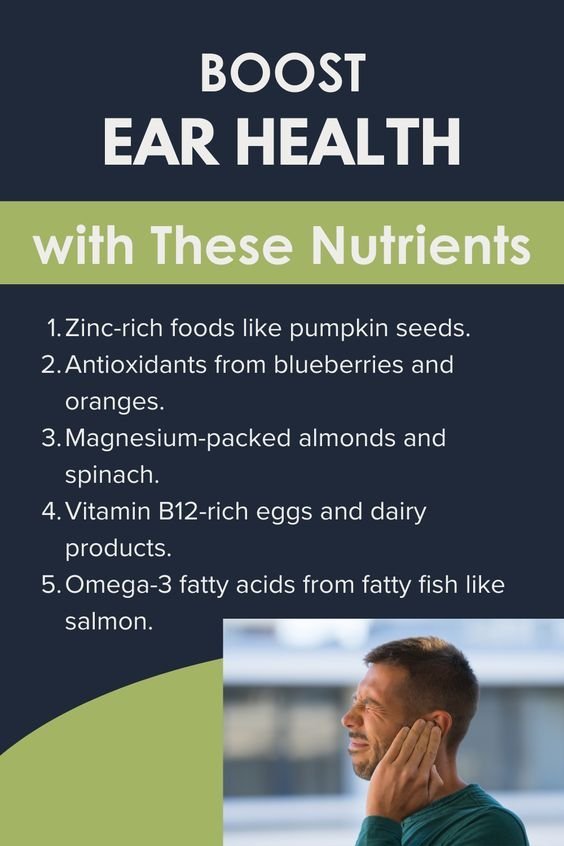
1. Zinc-Rich Foods for Inner Ear Support
Zinc plays a key role in immune function and cellular repair — both important for ear health.
Foods rich in zinc include:
-
Pumpkin seeds
-
Nuts and seeds
-
Whole grains
-
Legumes
Zinc supports communication between nerves and may help maintain the health of inner ear structures. Including zinc-rich foods regularly helps support immune balance, which is especially important for overall ear wellness.
2. Antioxidants from Blueberries and Oranges
Antioxidants help protect the ears from oxidative damage caused by everyday stressors such as noise exposure and aging.
Why antioxidants matter:
-
They combat free radicals
-
They support blood vessel health
-
They help reduce cellular stress
Blueberries and oranges are particularly rich in vitamin C and polyphenols, which support circulation and tissue protection — both important for long-term hearing health.
3. Magnesium from Almonds and Spinach
Magnesium supports nerve signaling and muscle relaxation, including those involved in hearing pathways.
Magnesium-rich foods include:
-
Almonds
-
Spinach
-
Leafy greens
-
Whole grains
Adequate magnesium intake supports healthy blood flow and helps regulate the nervous system, which plays a role in how sound signals are processed.
4. Vitamin B12 from Eggs and Dairy Products
Vitamin B12 is essential for nerve health and red blood cell production. Because hearing relies heavily on nerve signaling, B12 is especially important for auditory support.
Common B12 sources:
-
Eggs
-
Milk and yogurt
-
Cheese
-
Fortified foods
Low B12 levels are associated with nerve-related issues, which can affect hearing pathways over time. Ensuring adequate intake helps support nerve integrity throughout the auditory system.
5. Omega-3 Fatty Acids from Fatty Fish
Omega-3s are well known for supporting heart and brain health — and they’re also beneficial for ears.
Best omega-3 sources include:
-
Salmon
-
Sardines
-
Mackerel
-
Other fatty fish
Omega-3 fatty acids support circulation and help reduce inflammation. Healthy blood flow is essential for delivering oxygen and nutrients to the inner ear, making omega-3s a valuable part of an ear-supportive diet.
How to Combine These Nutrients Daily
You don’t need supplements for everything. Many of these nutrients can be combined naturally through meals.
Example combinations:
-
Greek yogurt with berries and pumpkin seeds
-
Salmon with leafy greens and quinoa
-
Eggs served with spinach and whole grains
-
Smoothies with berries, almond milk, and seeds
Consistency across meals matters more than perfection.
Practical Tips to Boost Ear Health Through Food
-
Eat a varied diet instead of focusing on one nutrient
-
Choose whole foods over heavily processed options
-
Stay hydrated to support circulation
-
Pair nutrition with good hearing habits (volume control, ear protection)
Small daily choices add up over time.
Final Thoughts
Nutrition won’t replace medical care or protect against all hearing challenges — but it plays an important supporting role. By choosing foods that deliver zinc, antioxidants, magnesium, vitamin B12, and omega-3s, you help boost ear health naturally and support your body’s long-term auditory wellness.
If this guide was helpful, save it for later or share it with someone focused on hearing care. And consider this: which one of these nutrients do you already include regularly, and which one could you improve starting today?