Crisp, sweet, refreshing, and easy to enjoy anywhere — apples are one of the most well-loved fruits worldwide. Beyond the flavor, this everyday fruit carries valuable nutrients that support energy, digestion, and overall wellness. Understanding the nutrition profile of apples helps you make smarter snack choices and appreciate how even a simple fruit can fuel the body.
Below is a clear breakdown of the nutritional values, followed by what they mean for daily health, how apples fit into weight management, and the best ways to include them in meals and snacks.
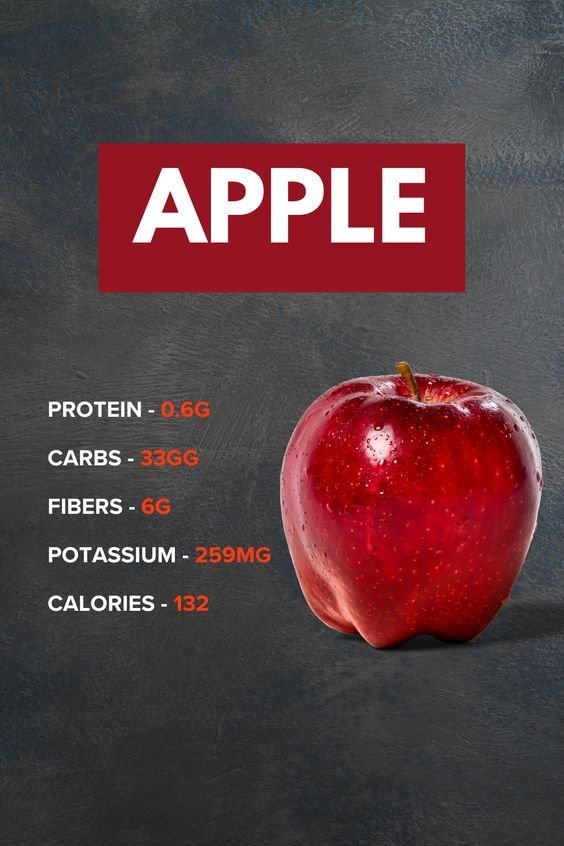
Apple Nutrition Breakdown (Per Medium-Sized Apple)
| Nutrient | Amount |
|---|---|
| Protein | 0.6g |
| Carbohydrates | 33g |
| Fiber | 6g |
| Potassium | 259mg |
| Calories | 132 |
Apples are primarily a carb-based fruit, offering gentle natural sugars paired with fiber for steady energy release — much different from refined sugar spikes.
What These Numbers Mean for Your Body
1. Carbohydrates — Your Fuel Source
With around 33g of carbs, apples provide energy your body can use quickly. Unlike processed snacks, apples supply natural glucose along with antioxidants and fiber, which means energy feels cleaner and more stable.
Best for:
✔ Pre-workout snack
✔ Afternoon slump pick-me-up
2. Fiber — Digestion & Satiety
A medium apple delivering around 6g of fiber helps support regular bowel movement, gut comfort, and appetite control. High-fiber fruits slow digestion, keeping you fuller longer while benefiting metabolic health.
Fiber also helps balance sugar absorption — one reason apples feel satisfying without heavy calories.
3. Potassium — Heart & Muscle Support
At 259mg, apples contain a meaningful amount of potassium — an essential mineral for:
-
Muscle contraction
-
Blood pressure regulation
-
Hydration and electrolyte balance
This makes apples a smart choice for active individuals and anyone wanting to support cardiovascular wellness.
4. Low Protein — Pair Them Wisely
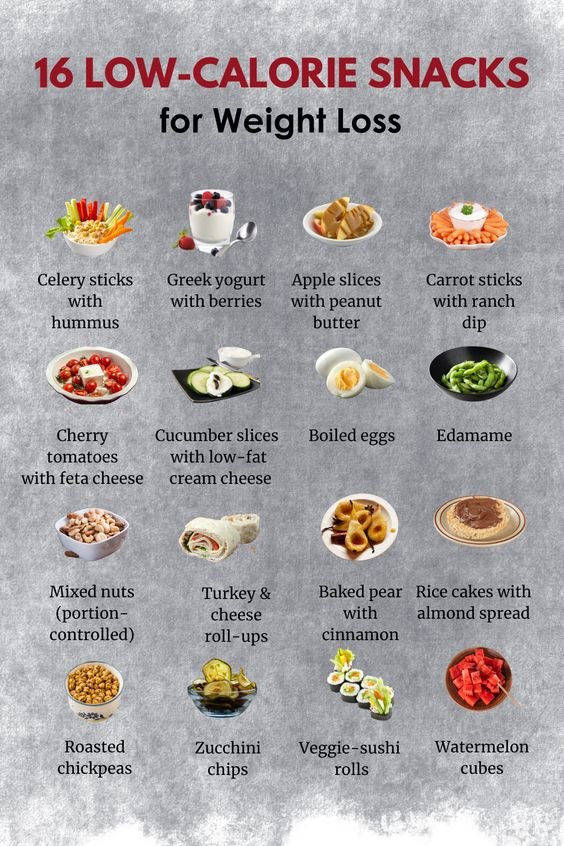
With 0.6g protein, apples aren’t protein-rich, but that makes them perfect to pair with nuts, yogurt, cheese, or nut butter for a balanced snack.
Example energizing combos:
| Apple + | Benefit |
|---|---|
| Almond butter | Protein + fiber = sustained fullness |
| Greek yogurt | Adds probiotics & muscle recovery protein |
| Walnuts or pecans | Healthy fats & brain-supporting omega-3s |
Calories in an Apple
With around 132 calories, apples are nutrient-dense rather than calorie-dense. They offer volume, hydration, and micronutrients that satisfy without heaviness — ideal for weight-conscious eating.
Apples can support weight management when used:
✔ Instead of sugary snacks
✔ Before meals to reduce overeating
✔ As part of a high-fiber breakfast
✔ Combined with protein for longer fullness
Health Benefits of Eating Apples Regularly
While no single food guarantees results, apples may contribute to:
🍏 Better digestion due to fiber
🍏 Natural energy from fruit sugars
🍏 Hydration (apples are ~85% water)
🍏 Heart-friendly potassium content
🍏 Reduced cravings when replacing high-sugar snacks
Apples also contain antioxidants like quercetin and vitamin C, which help protect cells from everyday oxidative stress.
How to Eat More Apples in a Healthy Way
-
Slice and pair with peanut butter or nut butter
-
Add to oatmeal, overnight oats, or granola bowls
-
Blend into smoothies for sweetness without added sugar
-
Bake with cinnamon for a warm dessert alternative
-
Dice into salads for crunch and freshness
-
Juice lightly, but keep skin for fiber when possible
The peel contains a good portion of fiber — keeping it on boosts nutrition significantly.
Final Thoughts
Apples are easy to love, easy to eat, and nutritionally impressive for such a simple fruit. With around 132 calories, 6g of fiber, 33g of carbs, and a helpful dose of potassium, they provide natural energy, gentle sweetness, and digestive support. Whether enjoyed alone or paired with a protein source for balance, apples fit beautifully into nearly any healthy eating plan.
A single piece of fruit can be a fresh snack, a breakfast upgrade, or a satisfying bite between meals — proof that wholesome nutrition doesn’t need to be complicated.