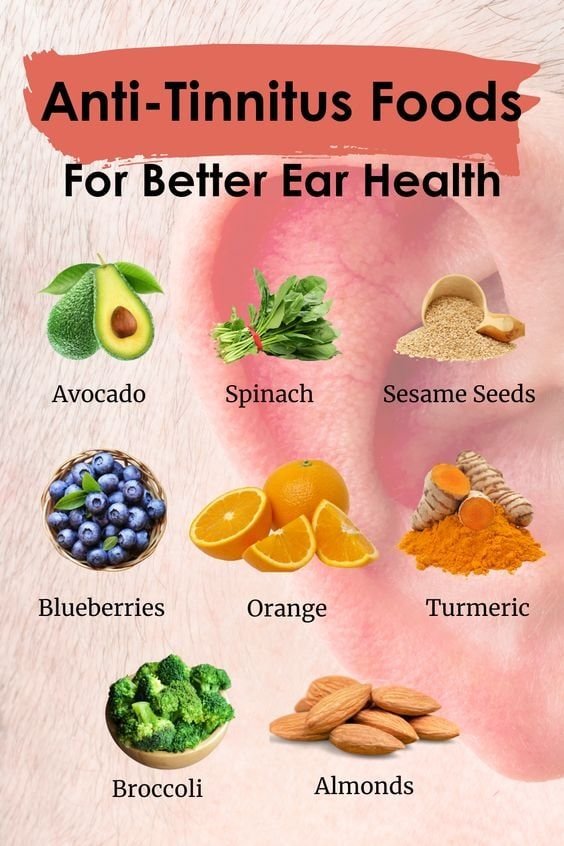
What you eat doesn’t just affect your energy or weight—it can also influence how your ears feel day to day. For people dealing with ringing, buzzing, or sensitivity, diet often becomes an overlooked piece of the puzzle. While food alone isn’t a cure, choosing the right anti-tinnitus foods for better ear health can support circulation, nerve function, and overall inner-ear balance.
Think of nutrition as background support. Just like sleep or stress management, it works quietly over time. Below are foods commonly linked with ear and hearing health, along with simple ways to include them in your daily routine.
Why Diet Matters for Tinnitus Support
The inner ear relies on healthy blood flow, balanced inflammation levels, and strong nerve signaling. Certain nutrients—like magnesium, antioxidants, healthy fats, and vitamins—play a role in these processes. When your diet lacks them, tinnitus symptoms may feel more noticeable.
A supportive diet focuses on:
-
Reducing inflammation
-
Supporting circulation to the inner ear
-
Protecting nerve cells from oxidative stress
Now let’s look at specific foods that naturally fit into this approach.
1. Avocado
Avocados are rich in healthy fats and magnesium—two nutrients often linked to nerve and circulation support. Magnesium, in particular, is commonly discussed in tinnitus-friendly diets because it helps regulate blood flow and nerve signaling.
Easy ways to eat avocado:
-
Add slices to toast or salads
-
Blend into smoothies
-
Use as a spread instead of butter
Its creamy texture also makes it easy to include regularly.
2. Spinach
Spinach is packed with magnesium, iron, and antioxidants. These nutrients help support oxygen flow and reduce oxidative stress, which may benefit ear health over time.
Try spinach:
-
Lightly sautéed with meals
-
Added to omelets or soups
-
Blended into green smoothies
Fresh or lightly cooked spinach offers the most nutritional benefit.
3. Sesame Seeds
Sesame seeds provide zinc and healthy fats, both important for immune and nerve health. Zinc deficiency has been linked in some cases to hearing-related issues, making sesame seeds a useful addition.
Simple ideas:
-
Sprinkle over salads or rice dishes
-
Mix into yogurt or oatmeal
-
Use tahini in dressings
A small amount goes a long way.
4. Blueberries
Blueberries are rich in antioxidants that help protect cells from oxidative damage. This is especially relevant for delicate inner-ear structures that are sensitive to stress and aging.
Enjoy blueberries:
-
As a snack
-
In smoothies
-
Mixed into breakfast bowls
They’re gentle, low in sugar, and easy to digest.
5. Oranges
Vitamin C supports circulation and helps reduce inflammation. While oranges won’t silence ringing, they contribute to overall vascular health, which plays a role in ear function.
Ways to include oranges:
-
Fresh slices with meals
-
In fruit salads
-
Paired with nuts for balance
Whole fruit is preferable to sugary juices.
6. Turmeric
Turmeric contains curcumin, a compound known for its anti-inflammatory properties. Chronic inflammation may worsen tinnitus perception, so calming it can be beneficial.
Use turmeric:
-
In curries or soups
-
Mixed into warm milk or tea
-
Added to roasted vegetables
Pairing turmeric with black pepper helps absorption.
7. Broccoli
Broccoli is a strong source of antioxidants, vitamin C, and fiber. These nutrients support overall cellular health and help combat inflammation throughout the body—including areas linked to hearing.
Best ways to eat broccoli:
-
Steamed lightly
-
Stir-fried with olive oil
-
Added to grain bowls
Avoid overcooking to preserve nutrients.
8. Almonds
Almonds provide magnesium and healthy fats, which support nerve health and blood flow. They’re also an easy, portable snack.
Enjoy almonds:
-
As a daily handful
-
Added to salads
-
Blended into nut butter
Unsalted versions are best for regular use.
How to Use These Foods Consistently
Instead of focusing on one “super food,” aim for balance. Rotating several of these options throughout the week helps your body receive steady nutritional support.
Helpful tips:
-
Pair fruits with healthy fats
-
Keep meals simple and whole-food based
-
Stay hydrated alongside dietary changes
Consistency matters more than perfection.
Final Thoughts
Choosing anti-tinnitus foods for better ear health is about supporting your body gently and naturally. These foods won’t promise instant silence, but they can help create an environment where your ears feel more supported over time.
Start small—add one or two foods to your routine and build from there.
Save this guide for later or try incorporating one of these foods today and notice how your body responds.