Chronic inflammation is one of the sneakiest causes of fatigue, joint pain, and even aging skin. The good news? You can fight it naturally — right from your plate. Certain whole foods help your body heal, calm inflammation, and restore balance.
Let’s explore the top anti-inflammatory foods you should eat regularly for better energy, digestion, and long-term health.
🥬 1. Vegetables: Your First Line of Defense
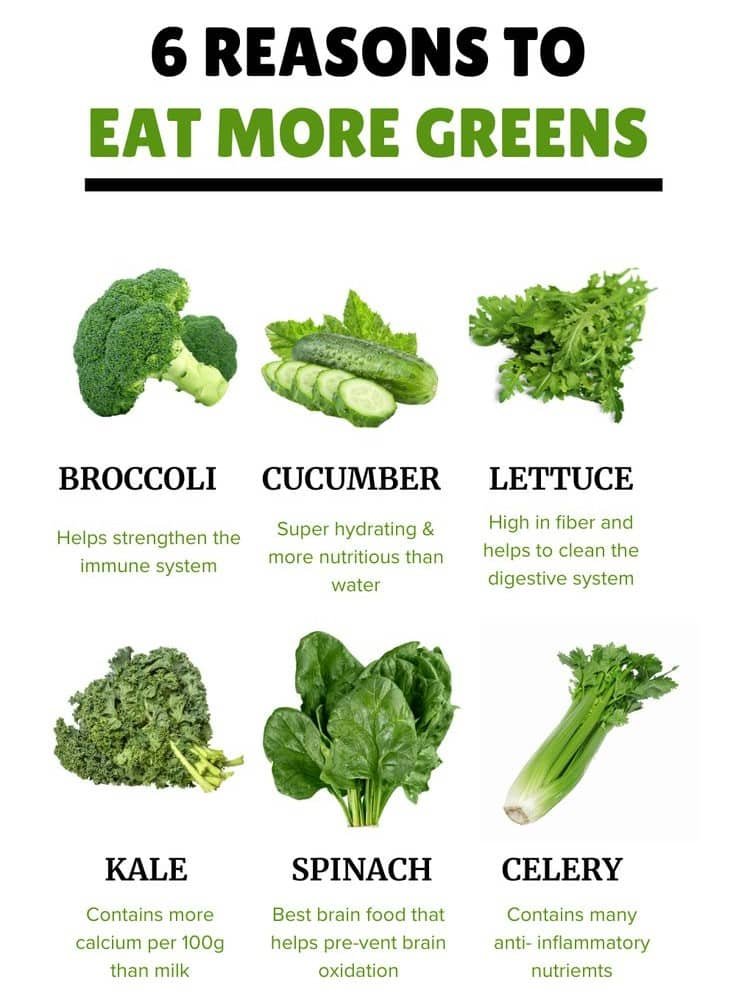
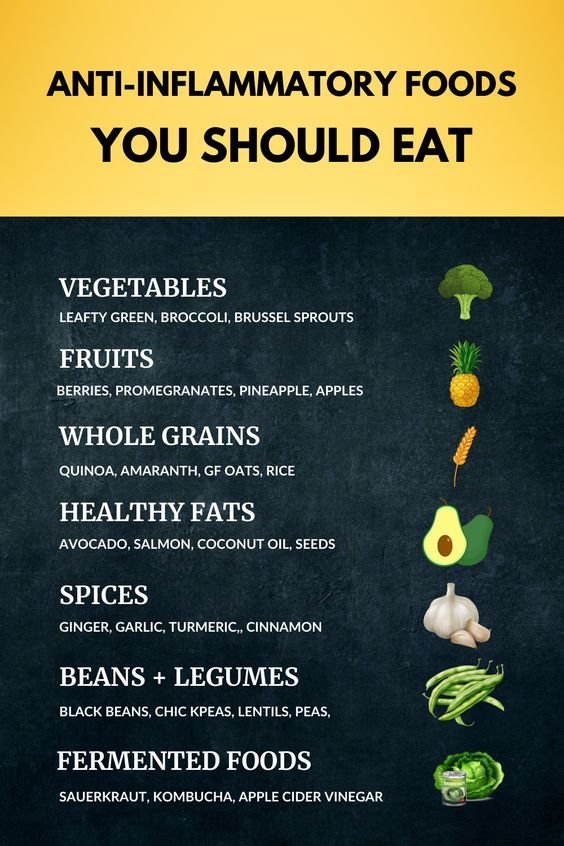
Leafy greens like spinach, kale, and broccoli are rich in antioxidants, vitamins C and K, and minerals that reduce inflammation at the cellular level.
👉 Why it matters: Cruciferous veggies (like Brussels sprouts) support your liver, helping your body flush out inflammatory toxins.
Try this: Add a handful of spinach to your smoothie or roast Brussels sprouts with olive oil and garlic.
🍓 2. Fruits: Nature’s Sweet Medicine
Colorful fruits like berries, pomegranates, pineapples, and apples pack phytonutrients that fight oxidative stress. Berries in particular contain anthocyanins — powerful compounds that protect your cells from damage.
Pro tip: Choose darker berries like blueberries or blackberries for the highest antioxidant content.
🌾 3. Whole Grains: Gentle Energy + Gut Support
Swap refined carbs for whole grains like quinoa, amaranth, gluten-free oats, or brown rice. These grains are rich in fiber, which feeds healthy gut bacteria — crucial for reducing inflammation throughout the body.
Bonus: A healthy gut means stronger immunity and fewer flare-ups.
🥥 4. Healthy Fats: Nourish Your Cells
Healthy fats found in avocado, salmon, coconut oil, and seeds are essential for hormone balance and joint flexibility. Omega-3 fatty acids, especially from fatty fish, are well-known for lowering inflammation.
Simple habit: Add chia seeds to your breakfast bowl or drizzle extra virgin olive oil over salads.
🌶️ 5. Spices: Tiny Ingredients, Big Impact
Certain spices work like natural anti-inflammatory medicine. Ginger, garlic, turmeric, and cinnamon all reduce swelling and boost circulation.
Pro tip: Combine turmeric with black pepper — it enhances absorption by up to 2000%!
🫘 6. Beans + Legumes: Protein with Purpose
Black beans, chickpeas, lentils, and peas are rich in plant-based protein, fiber, and polyphenols — all of which help control inflammation.
Try this: Add lentil soup or chickpea salad to your weekly meals for a satisfying, healing boost.
🥬 7. Fermented Foods: Heal Your Gut, Calm Inflammation
Fermented foods like sauerkraut, kombucha, and apple cider vinegar support a healthy microbiome, which is closely linked to inflammation control.
Why it works: A balanced gut reduces immune overreaction — meaning fewer flare-ups and better digestion.
🌟 Bonus Tip: Keep It Balanced
While eating anti-inflammatory foods is powerful, consistency is key. Combine these foods daily, stay hydrated, and limit sugar and processed foods for the best results.
🌿 Final Thoughts
Reducing inflammation doesn’t require drastic diets — just smarter choices. By adding these anti-inflammatory foods to your meals, you’ll not only ease pain and stiffness but also feel more energized and vibrant every day.
✨ Save this post for later and start filling your plate with foods that heal — one bite at a time!